-
Shop
- Advanced Technologies
- AI Skills
- AI Skills for Creators & Freelancers
- AI Client Management
- AI Ethics
- AI Mindset
- AI Tools & Prompts
- AI Writing & Content Creation
- Audio, Voice & Music
- Design & Visual Creation
- Email, Messaging & Communication
- Freelancing & Business
- Marketing, Ads & Conversion
- Productivity, Workflow & Automation
- SEO & Search Optimization
- Social Media Content & Growth
- Strategy, Planning & Analytics
- Video Creation & Editing
- Apple Accessories
- Bathroom
- Beauty
- Best-Sellers
- Car Accessories
- Car Buying & Ownership
- Confidence
- Dating & Social Skills
- Digital Resources
- Education & Learning
- Family & Parenting
- Fashion
- Alexander McQueen
- Bags
- Balenciaga
- Blazers
- Bottega Veneta
- Brunello Cucinelli
- Burberry
- Chanel
- Chloé
- Dior
- Dolce & Gabbana
- Dresses
- Etro
- Fendi
- Gucci
- Jacquemus
- Jil Sander
- Kiton
- Luggage
- Miu Miu
- Off-White
- Outerwear
- Prada
- Rick Owens
- Saint Laurent
- Shoes
- The Row
- Tom Ford
- Valentino
- Valentino Garavani
- Versace
- Vivienne Westwood
- Fashion Accessories
- Furniture
- Gadgets
- Health & Beauty
- Health & Wellness
- Home Decor
- Home Electronics
- Home Styling & Organization
- Home Supplies
- Kids & Babies
- Kitchen
- Legend Footwear Brands Collection
- Lighting
- Luxury Brands Collection
- Online Business for Beginners
- Parenting & Child Development
- Patio, Lawn & Garden
- Personal Growth
- Personal Style & Fashion
- Pet Care
- Pet Lifestyle & Wellness
- Pet Supplies
- Pets
- Smart Amazon Shopping
- Smart Home Living Guides
- Super Deals
- Travel
- Travel & Adventure
- Wealth
- Wellness
- Popular
- Best deals
Electric Tankless Water Heater Downsides: Real-World Limits
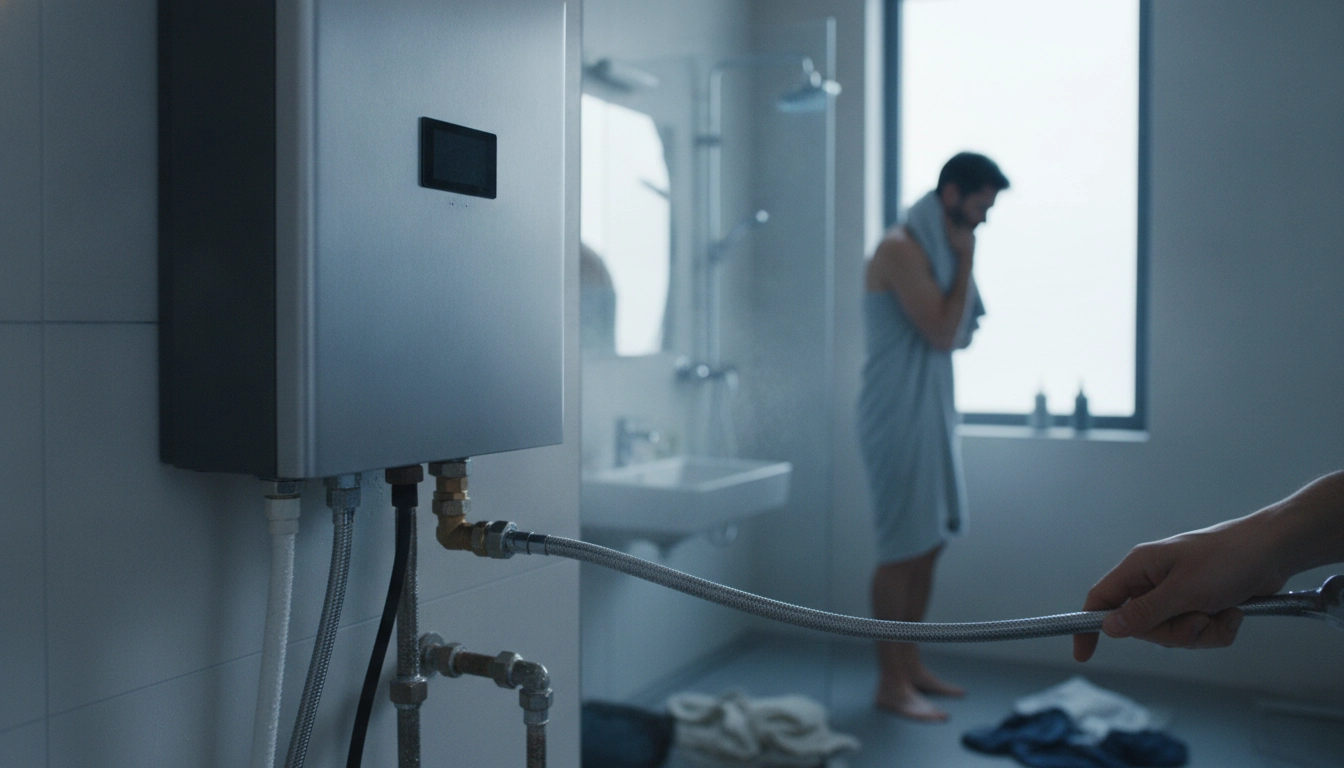
What is the downside of an electric tankless water heater?
The biggest downside of an electric tankless water heater is the electrical demand required to heat water instantly. To deliver truly hot water at a high flow rate, many whole-home models need multiple high-amperage circuits, upgraded breakers, and heavier-gauge wiring—costs that can quickly outweigh the appeal of ditching a storage tank.
High upfront installation requirements
Even if the unit itself is reasonably priced, installation can become the expensive part. Many homes need a panel upgrade, additional dedicated circuits, or a move from 110V to 220V service for acceptable performance. If you’re comparing voltage options and what they mean for real-world hot-water output, this guide is a helpful reference: 110V vs 220V wall instant electric water heater guide.
Limited flow rate during cold seasons
Tankless heaters are rated by how much they can raise the water temperature at a given flow. When incoming water is colder in winter, the heater must work harder, and the usable flow rate can drop. That’s when you may notice “warm” water at higher faucet settings, or you may need to run one shower at a time to maintain comfort.
Potential for temperature fluctuations
Electric tankless units react quickly, but sudden changes in demand—like a toilet flush, a washing machine filling, or someone opening another tap—can cause a brief temperature swing. Proper sizing helps, but it doesn’t eliminate the physics of shared flow and changing input temperatures.
Not always ideal for multiple simultaneous uses
If your household regularly runs a shower, dishwasher, and laundry at the same time, an undersized unit can struggle. Meeting that demand often means a larger heater (or multiple units), which circles back to higher electrical requirements and installation complexity.
For Electric Tankless Water Heater Downsides: Real-World Limits, the best answer depends on fit, material, care instructions, and how the product will be used day to day.
FAQ
Does an electric tankless water heater need a special electrical setup?
Many do. Whole-home electric tankless models often require 240V service, multiple dedicated breakers, and sufficient panel capacity to support the high amperage draw.
Recommended for you
Best Instant Electric Water Heater: 110V vs 240V
Aug 5, 2026













Leave a comment