Top Mid-Century Modern Brands: Vintage & New Favorites
What are the mid century modern brands?
Mid century modern (MCM) brands usually fall into two groups: original makers from the 1940s–1960s and contemporary companies that reproduce or reinterpret the look today. The originals are often prized for their craftsmanship, period materials, and iconic silhouettes—think clean lines, tapered legs, warm woods, and mixed materials like glass and metal. Contemporary MCM brands focus on accessibility, updated dimensions, and finishes that fit modern homes while keeping that classic profile.
Among the most recognizable vintage furniture brands are Herman Miller and Knoll, especially for seating and office-to-home crossover pieces. For Danish-modern and Scandinavian classics, brands like Carl Hansen & Søn, Fritz Hansen, and Poul Cadovius (known for modular wall systems) are commonly cited by collectors. In lighting, Louis Poulsen is a standout for refined forms and soft, functional illumination. Case goods and cabinetry frequently trace back to names such as Lane, Broyhill (notably the Brasilia line), and Drexel, which helped define American MCM styling at scale.
For a more budget-friendly way to bring the style home, contemporary retailers and makers like West Elm, Article, and Joybird offer mid-century-inspired sofas, tables, and storage with simplified construction and new upholstery options. Design-forward brands such as Design Within Reach also reintroduce licensed modern classics alongside complementary pieces.
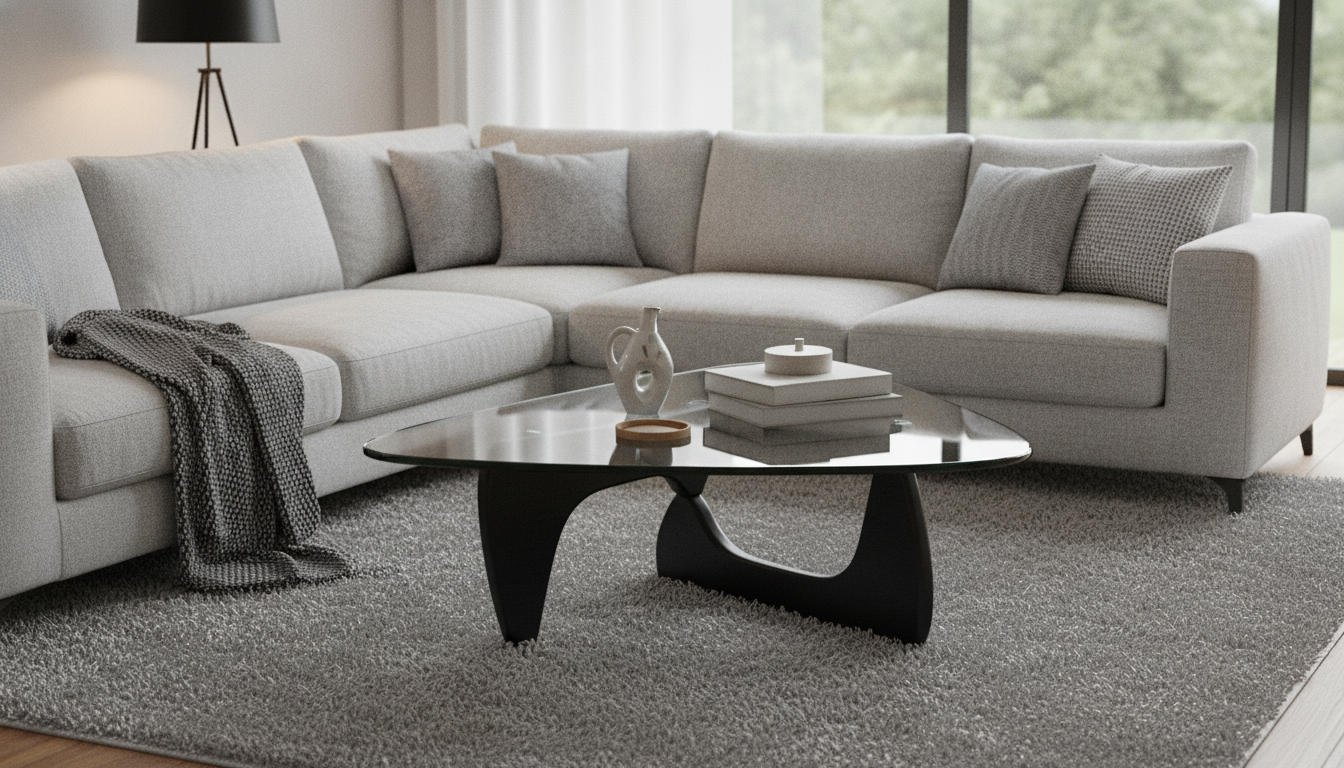
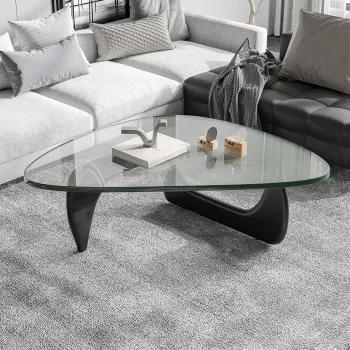
Looking for a specific anchor piece that captures the era’s material mix? A glass-top triangle coffee table is a strong MCM signal, pairing airy transparency with sculptural bases. For a closer look at what defines that style and how to choose one, see this guide: https://journalle.com/guide-glass-triangle-coffee-table-mid-century-guide/.
For Top Mid-Century Modern Brands: Vintage & New Favorites, the best answer depends on fit, material, care instructions, and how the product will be used day to day.
FAQ
How can you tell if a mid-century piece is vintage or a reproduction?
Check for maker’s marks, paper labels, and construction details like dovetail joinery, original hardware, and period-appropriate materials. Provenance, consistent wear, and older finish techniques also help distinguish authentic vintage pieces from newer recreations.










Leave a comment