-
Shop
- Advanced Technologies
- AI Skills
- AI Skills for Creators & Freelancers
- AI Client Management
- AI Ethics
- AI Mindset
- AI Tools & Prompts
- AI Writing & Content Creation
- Audio, Voice & Music
- Design & Visual Creation
- Email, Messaging & Communication
- Freelancing & Business
- Marketing, Ads & Conversion
- Productivity, Workflow & Automation
- SEO & Search Optimization
- Social Media Content & Growth
- Strategy, Planning & Analytics
- Video Creation & Editing
- Apple Accessories
- Bathroom
- Beauty
- Best-Sellers
- Car Accessories
- Car Buying & Ownership
- Confidence
- Dating & Social Skills
- Digital Resources
- Education & Learning
- Family & Parenting
- Fashion
- Alexander McQueen
- Bags
- Balenciaga
- Blazers
- Bottega Veneta
- Brunello Cucinelli
- Burberry
- Chanel
- Chloé
- Dior
- Dolce & Gabbana
- Dresses
- Etro
- Fendi
- Gucci
- Jacquemus
- Jil Sander
- Kiton
- Luggage
- Miu Miu
- Off-White
- Outerwear
- Prada
- Rick Owens
- Saint Laurent
- Shoes
- The Row
- Tom Ford
- Valentino
- Valentino Garavani
- Versace
- Vivienne Westwood
- Fashion Accessories
- Furniture
- Gadgets
- Health & Beauty
- Health & Wellness
- Home Decor
- Home Electronics
- Home Styling & Organization
- Home Supplies
- Kids & Babies
- Kitchen
- Legend Footwear Brands Collection
- Lighting
- Luxury Brands Collection
- Online Business for Beginners
- Parenting & Child Development
- Patio, Lawn & Garden
- Personal Growth
- Personal Style & Fashion
- Pet Care
- Pet Lifestyle & Wellness
- Pet Supplies
- Pets
- Smart Amazon Shopping
- Smart Home Living Guides
- Super Deals
- Travel
- Travel & Adventure
- Wealth
- Wellness
- Popular
- Best deals
Glass Triangle Coffee Table for Mid-Century Rooms
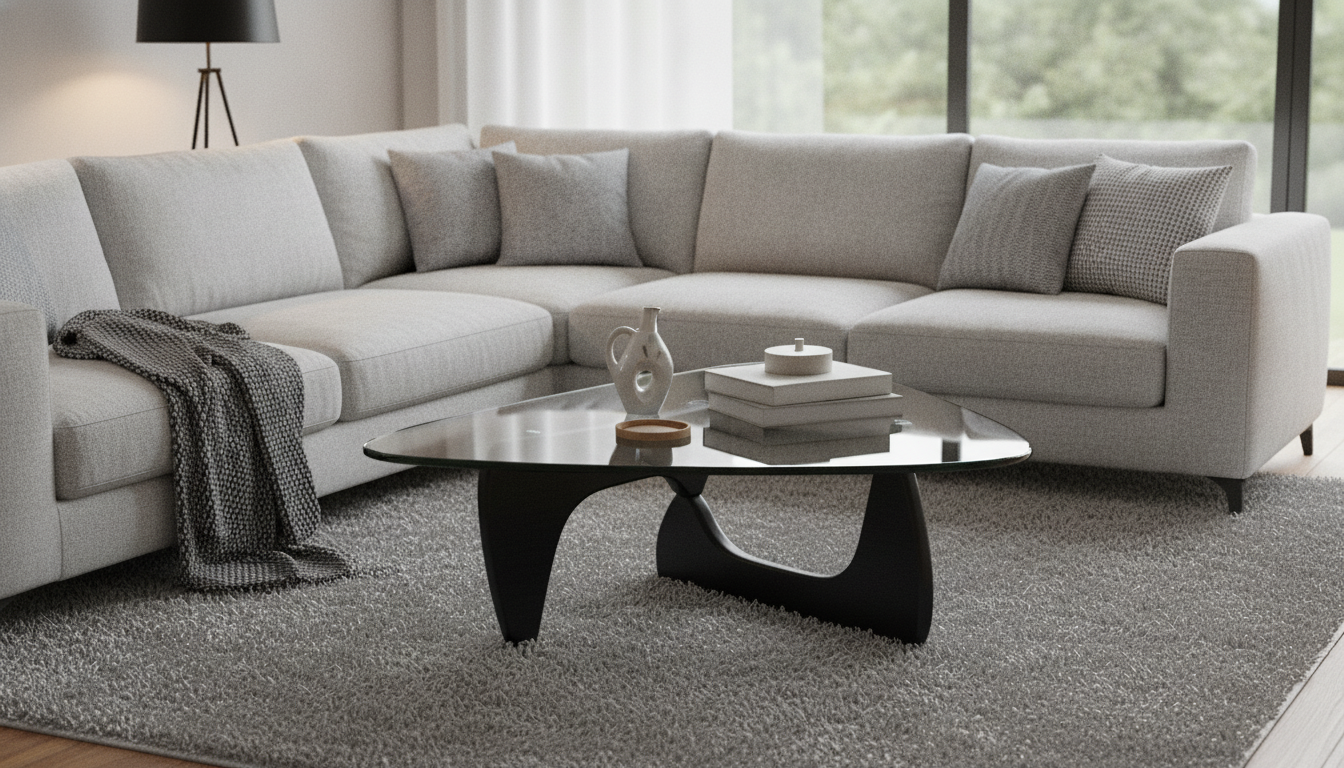
Mid-Century Glass Triangle Coffee Table
A triangular glass coffee table brings crisp geometry to mid-century spaces while keeping the room visually open. With its light-catching top and sculptural footprint, it works as a statement piece in compact layouts, conversation areas, and layered seating arrangements—especially where round or rectangular tables feel too predictable.
Why a triangle coffee table works so well in mid-century rooms
Mid-century interiors thrive on shape, negative space, and an easy mix of materials. A glass triangle coffee table fits right into that playbook—clean-lined, visually light, and a little unexpected.
- Triangular silhouettes echo mid-century design’s love of clean lines and playful geometry.
- Glass surfaces maintain a lighter visual profile, helping smaller living rooms feel less crowded.
- Three-sided layouts can soften traffic flow, reducing hard corners that bump into shins in tight seating plans.
- Pairs well with tapered-leg seating, low-profile sofas, and mixed materials like wood, metal, and leather.
Design details to look for
Not all glass coffee tables feel the same. The difference between “delicate” and “designed” often comes down to the glass, the base engineering, and how the proportions relate to your seating.
- Glass thickness and edge finish: Thicker glass and polished edges tend to feel more substantial and refined.
- Base stability: A well-engineered base prevents wobble when reaching for drinks or books.
- Proportions: The table should sit comfortably below seat height and align with the sofa’s front edge for easy reach.
- Material contrast: Glass plus a warm-toned base (wood or brass-toned metal) can lean more classic mid-century; darker metal can read more modern.
- Transparency strategy: Clear glass highlights rugs and flooring; tinted or smoked glass can add mood and hide fingerprints slightly better.
For general sizing and layout logic, guidance like The New York Times Wirecutter can help narrow what “fits” before you choose what “looks right.”
Room placement ideas for a triangular glass top
A triangle is naturally directional, which makes placement feel intentional—even in rooms with tricky flow. Small rotations can make a big difference in how comfortable the space feels day to day.
- Center of a conversation triangle: Place between a sofa and two accent chairs to mirror the seating geometry.
- Tucked corner layout: Rotate one point toward an open walkway to keep circulation smooth.
- Layered living room: Use the table as the “low anchor” with a taller side table nearby for task lighting and extra landing space.
- Open-plan spaces: Glass helps maintain sightlines between lounge and dining zones.
- Rug alignment: Keep at least the front legs of surrounding seating on the rug; the table should sit fully within the rug boundary when possible.
Quick fit guide for common living room setups
| Setup | Why it works | Placement tip |
|---|---|---|
| Small apartment sofa + one chair | Keeps the center visually light | Aim one corner away from the main walking path |
| Sofa + two chairs | Matches the natural three-point conversation layout | Center the table so each seat has an easy reach zone |
| Sectional (L-shape) | Fills the inside corner without a bulky rectangle | Rotate so the longest side faces the main sofa run |
| Long, narrow room | Avoids blocking flow like a wide rectangle can | Slide slightly toward the seating side, leaving a clearer lane on the opposite side |
Styling a glass triangle coffee table without clutter
The best styling approach is to keep the outline of the triangle visible. A glass top already feels airy; the goal is to add function and texture without turning it into a catch-all.
- Use one low tray: Corral essentials; keep the edges open so the shape stays readable.
- Balance hard and soft: Pair a ceramic bowl with a small stack of books and a textured coaster set.
- Keep height low: Choose a short vase or compact sculpture so the glass surface remains the star.
- Repeat the triangle subtly: A triangular tray, three-candle cluster, or three-object grouping can feel cohesive without being literal.
- Let the rug do the talking: Glass tops showcase pattern—great for bold geometrics or vintage-inspired textures.
Care and everyday maintenance
Glass is low-fuss, but it looks best with quick, consistent care—especially if the table is a daily landing spot for mugs, remotes, and laptops.
For technique tips that reduce streaking, practical cleaning guidance from Good Housekeeping is a helpful reference.
Shop featured picks
- Mid-Century Glass Triangle Coffee Table $812.51 (In stock) — A geometric centerpiece that stays visually light while anchoring a conversation area.
- AI-Powered Brand Magic: Craft Your Freelance Style Guide Fast | Ebook on AI to Create a Freelance Brand Style Guide for Creatives & Solopreneurs $11.99 (In stock) — A quick, structured way to define a consistent aesthetic if you’re building a cohesive studio or home office vibe.
Mid-Century Glass Triangle Coffee Table: at-a-glance highlights
FAQ
Does a triangular coffee table work with a sectional sofa?
Yes—triangles can fit neatly into the inside corner of an L-shape without the bulk of a rectangle. Rotate the table so the longest side faces the main seating run, and keep one point aimed toward open floor space for smoother traffic flow.
How far should a coffee table be from the sofa?
Aim for about 14–18 inches from the sofa edge for comfortable reach and legroom. In tighter apartments or with deeper seating, slightly closer can work as long as knees and walkways still feel clear.
Is a glass coffee table hard to keep clean?
It’s not difficult, but fingerprints and streaks show more quickly than on wood. A fast daily microfiber wipe, plus coasters or a low tray for frequently used items, keeps the surface looking crisp.
Recommended for you
Using ChatGPT to Draft a Business Plan That Works
Jul 25, 2026
AI Checklist to Turn Long Videos Into Viral Clips
Jul 26, 2026









Leave a comment