Side Table Trends Right Now: Round, Minimal, Flexible
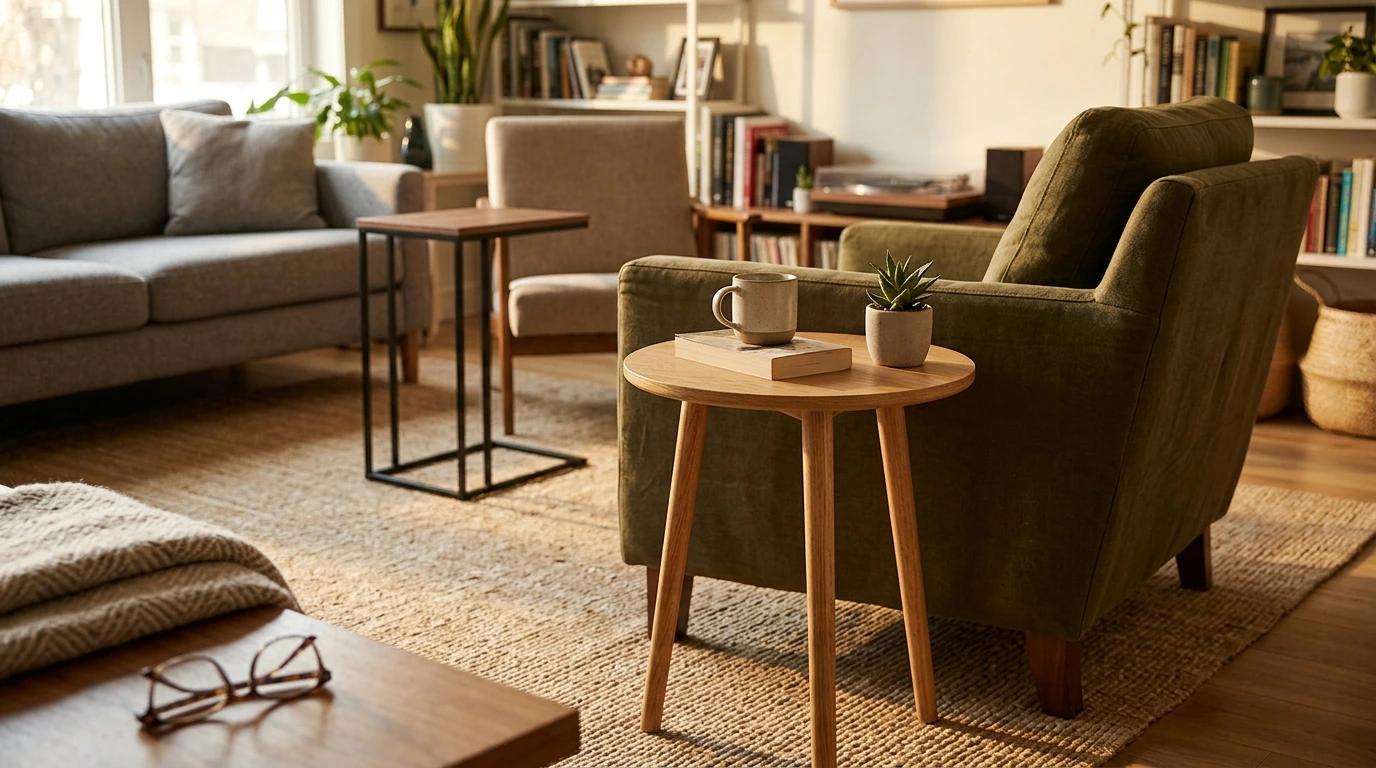
What are the current trends for side tables?
Current side table trends lean toward pieces that look light, feel versatile, and work in more than one room. Shoppers are favoring clean silhouettes, warm natural finishes, and shapes that soften a space without adding visual clutter. The goal is a table that’s practical for daily use but still reads as a design choice.
Rounded and organic shapes
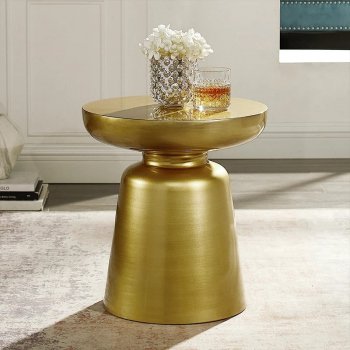
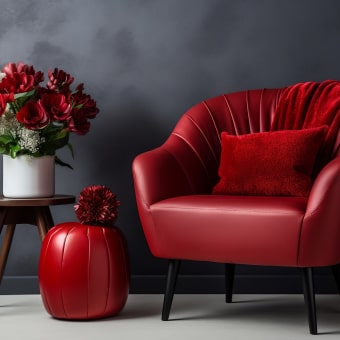
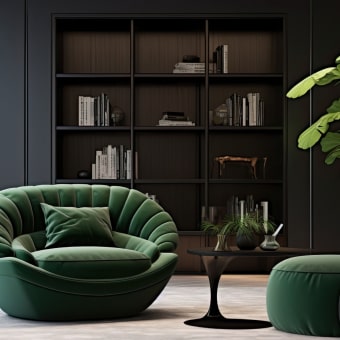
Round side tables are having a strong moment because they improve flow in tight layouts and feel less “boxy” next to sofas and beds. Along with classic circles, gently curved, pebble-like tops and drum bases are showing up in modern interiors, especially when paired with textured rugs and plush seating.
Nordic minimalism and calm materials
Minimal Scandinavian-inspired designs continue to trend: slim profiles, simple legs, and neutral tones that blend easily. Light oak, ash, and other pale woods are popular for adding warmth without heaviness, while matte black or soft white finishes create contrast in a controlled, modern way.
Mixed materials and subtle contrast
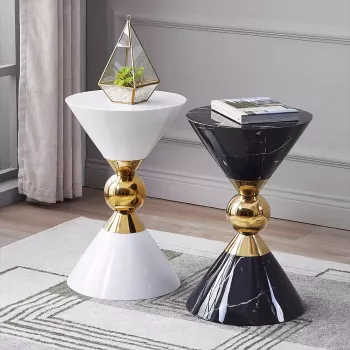
Instead of loud patterns, the trend is restrained mixing: wood with powder-coated metal, stone-look tops with understated bases, or a small accent of brass. These combinations add depth while staying cohesive with modern, transitional, or Japandi rooms.
Small-space flexibility
Compact footprints, nesting sets, and C-shaped tables that tuck under a sofa are increasingly common—especially for apartments and multipurpose living rooms. A side table that can move from couch to bedside to reading nook without looking out of place is a priority.
How to choose a trending style that still lasts
Look for timeless proportions and a finish that complements your largest furniture pieces. A round, minimalist table in a natural wood tone is one of the safest “trend-forward” bets. For a deeper dive into how a Nordic minimalist round side table can fit different spaces, visit this guide.
FAQ
What height should a side table be next to a sofa?
Most side tables look and function best when the top is about level with the sofa arm, or within 1–2 inches of it. This keeps drinks, lamps, and remotes easy to reach without feeling awkwardly low or high.









Leave a comment