-
Shop
- Advanced Technologies
- AI Skills
- AI Skills for Creators & Freelancers
- AI Client Management
- AI Ethics
- AI Mindset
- AI Tools & Prompts
- AI Writing & Content Creation
- Audio, Voice & Music
- Design & Visual Creation
- Email, Messaging & Communication
- Freelancing & Business
- Marketing, Ads & Conversion
- Productivity, Workflow & Automation
- SEO & Search Optimization
- Social Media Content & Growth
- Strategy, Planning & Analytics
- Video Creation & Editing
- Apple Accessories
- Bathroom
- Beauty
- Best-Sellers
- Car Accessories
- Car Buying & Ownership
- Confidence
- Dating & Social Skills
- Digital Resources
- Education & Learning
- Family & Parenting
- Fashion
- Alexander McQueen
- Bags
- Balenciaga
- Blazers
- Bottega Veneta
- Brunello Cucinelli
- Burberry
- Chanel
- Chloé
- Dior
- Dolce & Gabbana
- Dresses
- Etro
- Fendi
- Gucci
- Jacquemus
- Jil Sander
- Kiton
- Luggage
- Miu Miu
- Off-White
- Outerwear
- Prada
- Rick Owens
- Saint Laurent
- Shoes
- The Row
- Tom Ford
- Valentino
- Valentino Garavani
- Versace
- Vivienne Westwood
- Fashion Accessories
- Furniture
- Gadgets
- Health & Beauty
- Health & Wellness
- Home Decor
- Home Electronics
- Home Styling & Organization
- Home Supplies
- Kids & Babies
- Kitchen
- Legend Footwear Brands Collection
- Lighting
- Luxury Brands Collection
- Online Business for Beginners
- Parenting & Child Development
- Patio, Lawn & Garden
- Personal Growth
- Personal Style & Fashion
- Pet Care
- Pet Lifestyle & Wellness
- Pet Supplies
- Pets
- Smart Amazon Shopping
- Smart Home Living Guides
- Super Deals
- Travel
- Travel & Adventure
- Wealth
- Wellness
- Popular
- Best deals
Nordic Minimalist Round Side Table: Fit, Style, Place
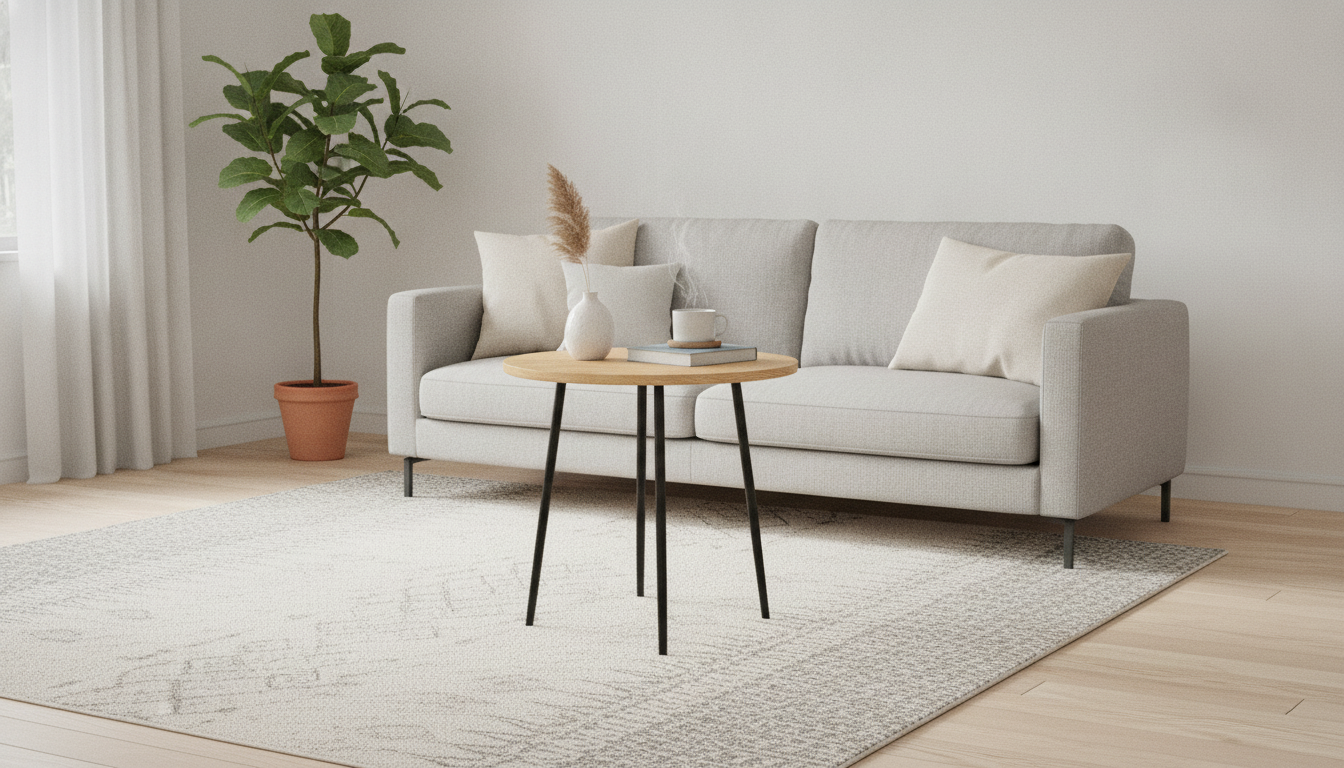
Minimalist Modern Nordic Round Side Table
A round side table with clean Nordic lines can quietly organize a room—holding a lamp, a book, or a morning coffee—without adding visual clutter. The best results come from the small decisions: where it sits, how it aligns with nearby seating, and how much you place on top. With a minimalist piece, proportion and placement do most of the decorating, making everyday spaces feel calmer and more intentional.
What Makes a Nordic Minimalist Round Side Table Work
Nordic-inspired minimalism is less about being empty and more about being edited. A round side table fits this approach because it reads soft and simple from every angle.
- Simple geometry: A round top, tidy base, and minimal hardware create a clean silhouette that feels calm in motion—whether you’re walking past it or seated beside it.
- Light visual footprint: Slim profiles and uncluttered legs keep the table from competing with statement rugs, patterned upholstery, or wall art.
- Versatile function: It can act as a bedside surface, sofa-side landing zone, or a compact accent next to a lounge chair.
- Neutral styling range: Minimalist forms pair easily with warm woods, soft textiles, and matte finishes, which is a hallmark of Scandinavian-inspired rooms.
Best Places to Use It at Home
A round side table earns its keep when it’s placed for reach, circulation, and daily habits.
- Sofa side: Keep the tabletop roughly level with the sofa arm so a drink or remote is easy to grab without lifting your shoulder.
- Reading corner: Pair it with a floor lamp and a low chair, and leave enough clearance for legs and a footrest so the corner feels inviting rather than cramped.
- Bedside: Choose a height that aligns with the mattress height so essentials (water, book, glasses) are reachable without stretching or sitting up fully.
- Entryway: Use it as a compact drop zone for keys and mail, ideally with a small tray to keep small items from spreading out.
- Small apartment layouts: A round top helps circulation by softening tight corners, especially in narrow living rooms or studios where every inch matters.
Proportion and Fit: Getting the Scale Right
Minimalist furniture looks “right” when it’s sized to the surrounding pieces and the way the room is used. Before ordering, confirm three measurements: the height you need, the top size you’ll actually use, and the base footprint that determines how it fits around legs and furniture frames.
- Height: Match the table height to the seat height or slightly higher. This typically feels most natural for setting down a cup or turning a lamp on and off.
- Top size: Make sure there’s room for daily basics (mug, book, remote, small vase) without feeling crowded. If you constantly “stack” items, the top is likely too small for your routine.
- Base footprint: Confirm the legs or base won’t bump into sofa feet, bed frames, or chair legs. A base that tucks in slightly can be more comfortable for knees.
- Clearance: Preserve a comfortable walking path—especially important in studios and narrow living rooms where a side table can become an obstacle.
- Visual balance: A slim, round table often looks best with chunkier upholstery or a textured throw, creating contrast without adding clutter.
Quick Fit Guide for Common Setups
| Setup | Comfort Check | Practical Tip |
|---|---|---|
| Next to a sofa | Top sits near sofa arm height | Leave space for knees and avoid blocking recliner movement |
| Next to an accent chair | Reachable without leaning forward | Angle slightly toward the chair to reduce stretching |
| Bedside | Aligned with mattress top or slightly below | Use a tray to prevent small items from slipping off |
| Entryway | Doesn’t narrow the walkway | Add a small bowl or catchall to keep the surface tidy |
| Corner styling | Fills the corner without looking bulky | Layer with a tall plant or lamp for vertical balance |
Styling Ideas That Keep the Look Minimal
The goal is “useful, not busy.” A minimalist round side table looks best when it carries only what the moment needs.
Care and Everyday Durability
For broader context on performance expectations and testing, the ANSI/BIFMA furniture safety and performance standards overview is a useful reference point. For planning and space guidance, the American Society of Interior Designers (ASID) resources can help support room decisions.
A Simple Checklist Before Ordering
Product Spotlight
For a clean, Scandinavian-inspired look, the Minimalist Modern Nordic Round Side Table offers a rounded profile designed to blend into modern interiors without visual noise. It works well as a sofa-side landing zone, bedside surface, or compact accent in small spaces where circulation matters.
If you’re building a more cohesive “everything feels intentional” aesthetic—especially in a home office or studio—consider keeping your broader visual decisions consistent (colors, finishes, and recurring materials). The AI-Powered Brand Magic: Craft Your Freelance Style Guide Fast | Ebook on AI to Create a Freelance Brand Style Guide for Creatives & Solopreneurs can be a practical tool for defining a clear style direction that translates into everyday choices, from workspace accessories to the small furniture pieces that sit in your line of sight.
FAQ
What height should a side table be next to a sofa?
Aim for a tabletop that’s level with the sofa arm or within a couple of inches. Comfortable reach matters more than an exact number, and you’ll also want enough clearance for knees and movement.
Is a round side table better for small spaces?
Often yes—rounded edges make tight pathways feel easier to navigate and reduce sharp corners near seating. You still get a useful surface, but the overall footprint can feel less intrusive.
How should a minimalist side table be styled without looking bare?
Use a small tray or coaster, add one practical item (like a lamp or book), and one simple accent (such as a ceramic piece or small vase). Leave intentional empty space so the table looks curated rather than unfinished.
Recommended for you
Embroidery on Puffer Jackets: Best Placement & Tips
Jul 24, 2026
AI Business Plans: How to Make Them Truly Unique
Jul 24, 2026









Leave a comment