-
Shop
- Advanced Technologies
- AI Skills
- AI Skills for Creators & Freelancers
- AI Client Management
- AI Ethics
- AI Mindset
- AI Tools & Prompts
- AI Writing & Content Creation
- Audio, Voice & Music
- Design & Visual Creation
- Email, Messaging & Communication
- Freelancing & Business
- Marketing, Ads & Conversion
- Productivity, Workflow & Automation
- SEO & Search Optimization
- Social Media Content & Growth
- Strategy, Planning & Analytics
- Video Creation & Editing
- Apple Accessories
- Bathroom
- Beauty
- Best-Sellers
- Car Accessories
- Car Buying & Ownership
- Confidence
- Dating & Social Skills
- Digital Resources
- Education & Learning
- Family & Parenting
- Fashion
- Alexander McQueen
- Bags
- Balenciaga
- Blazers
- Bottega Veneta
- Brunello Cucinelli
- Burberry
- Chanel
- Chloé
- Dior
- Dolce & Gabbana
- Dresses
- Etro
- Fendi
- Gucci
- Jacquemus
- Jil Sander
- Kiton
- Luggage
- Miu Miu
- Off-White
- Outerwear
- Prada
- Rick Owens
- Saint Laurent
- Shoes
- The Row
- Tom Ford
- Valentino
- Valentino Garavani
- Versace
- Vivienne Westwood
- Fashion Accessories
- Furniture
- Gadgets
- Health & Beauty
- Health & Wellness
- Home Decor
- Home Electronics
- Home Styling & Organization
- Home Supplies
- Kids & Babies
- Kitchen
- Legend Footwear Brands Collection
- Lighting
- Luxury Brands Collection
- Online Business for Beginners
- Parenting & Child Development
- Patio, Lawn & Garden
- Personal Growth
- Personal Style & Fashion
- Pet Care
- Pet Lifestyle & Wellness
- Pet Supplies
- Pets
- Smart Amazon Shopping
- Smart Home Living Guides
- Super Deals
- Travel
- Travel & Adventure
- Wealth
- Wellness
- Popular
- Best deals
Real Noguchi Coffee Table? Key Signs to Confirm Authenticity
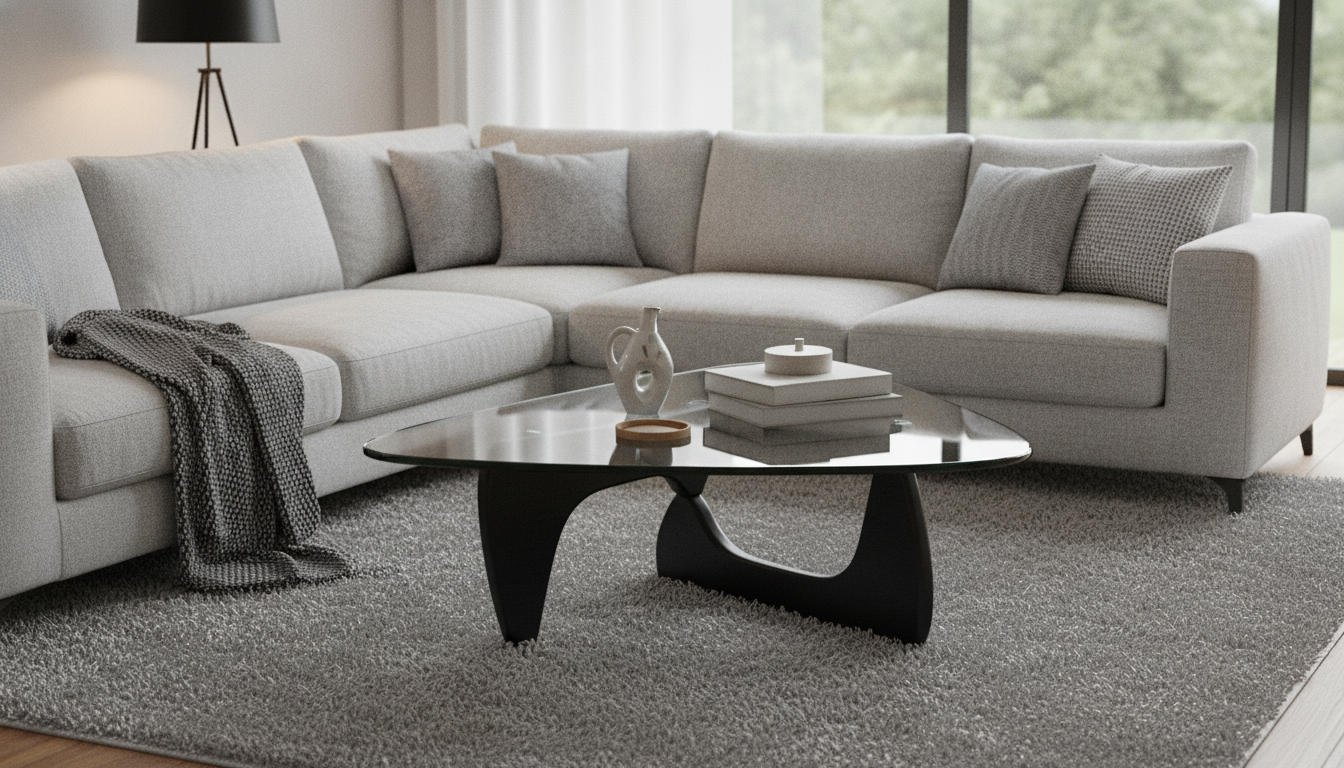
How to tell a real Noguchi coffee table?
A genuine Noguchi coffee table (the iconic glass-top “triangle” table) is defined by a specific set of proportions, materials, and construction details. Because the design is heavily copied, authenticity usually comes down to verifying the maker, the base craftsmanship, and the glass specs—then backing it up with documentation.
Start with the maker and provenance
Authentic Noguchi tables are produced by licensed manufacturers (most commonly Herman Miller in North America). Ask for a receipt, invoice, or any paperwork showing where it was purchased. A credible purchase trail matters more than a single “mark,” since some older examples may have worn labels while some replicas add convincing-looking stickers.
Check the base: wood type, joinery, and fit
The sculptural base should feel intentional and refined. Look for clean edges, smooth sanding, and a precise interlock where the two wooden pieces meet—no wobble, uneven seams, or rough tooling marks. Many replicas give themselves away with bulky proportions, sloppy curves, or a loose, shifting connection at the center.
Inspect the glass: shape, thickness, and edge finish
The glass should be heavy, stable, and neatly finished. Pay attention to the triangular form with softened corners and a polished edge; cheap copies often have thinner glass, sharper corners, or a less refined edge treatment. Set the glass on the base and check that it sits confidently without feeling precarious.
Compare dimensions and silhouette
Even small deviations in height, the arc of the base, or the glass footprint can signal a replica. When in doubt, compare your table to known measurements and side profiles from a trusted reference.
For a deeper visual breakdown of the triangle-glass style—including what to look for when shopping secondhand—see this guide: https://journalle.com/guide-glass-triangle-coffee-table-mid-century-guide/.
FAQ
What wood is used for the Noguchi table base?
Authentic bases are typically made in walnut, maple, or cherry, depending on the finish and production period. The surface should look evenly finished and feel smooth, with crisp, well-resolved curves.
Recommended for you
Injury Prevention: Strength, Warm-Ups, Ergonomics
Aug 18, 2026
Opening an Etsy Shop: What to Know Before You Start
Aug 18, 2026









Leave a comment