Mid-Century Glass Manufacturers: Key Makers to Know

Who are the mid-century glass manufacturers?
Mid-century glass manufacturers include a mix of American studio innovators and European factories that became synonymous with the clean lines and sculptural forms of the 1940s–1960s. Their work shows up everywhere from cocktail sets and art vases to the iconic glass-topped furniture popular in modern interiors.
Notable American makers
Blenko is a cornerstone of American mid-century glass, known for richly colored, hand-blown forms and designer-led runs. Viking Glass and LE Smith produced boldly styled, often vibrant pressed glass that feels unmistakably “atomic age.” Fenton spans many eras, but its mid-century output includes collectible art glass and decorative pieces. Anchor Hocking and Indiana Glass helped define everyday mid-century tablescapes with widely distributed patterns, while Imperial Glass kept classic techniques alive with mid-century-friendly silhouettes.
Influential European names
In Scandinavia, Orrefors and Kosta Boda (Sweden) are closely tied to refined modern crystal and art glass. Finland’s Iittala helped popularize functional, pared-back design that still feels contemporary. Italy’s Murano region (with many workshops rather than one single brand) produced dramatic, design-forward glass that became a hallmark of mid-century glamour.
Glass in mid-century furniture
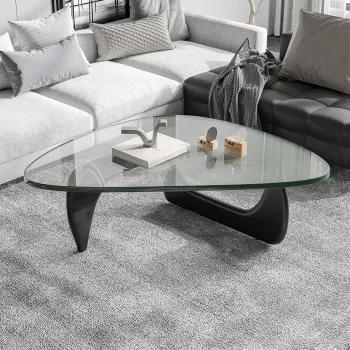
While many collectors focus on vases and barware, glass also played a starring role in furniture—especially coffee tables. For a deeper look at how glass tops, shapes, and materials come together in one of the era’s most recognizable forms, see this guide to mid-century glass triangle coffee tables.
For Mid-Century Glass Manufacturers: Key Makers to Know, the best answer depends on fit, material, care instructions, and how the product will be used day to day.
Checking those details first helps avoid a poor match and keeps the choice practical after delivery.
FAQ
How can you tell if mid-century glass is vintage or a reproduction?
Check for wear consistent with age (base scratches, softened edges), and look for mold seams, pontil marks, or maker’s marks that match known production methods. Reproductions often have overly crisp surfaces, inconsistent “aging,” or modern stickers without provenance.













Leave a comment