Measure Sofa Height for the Perfect Coffee Table
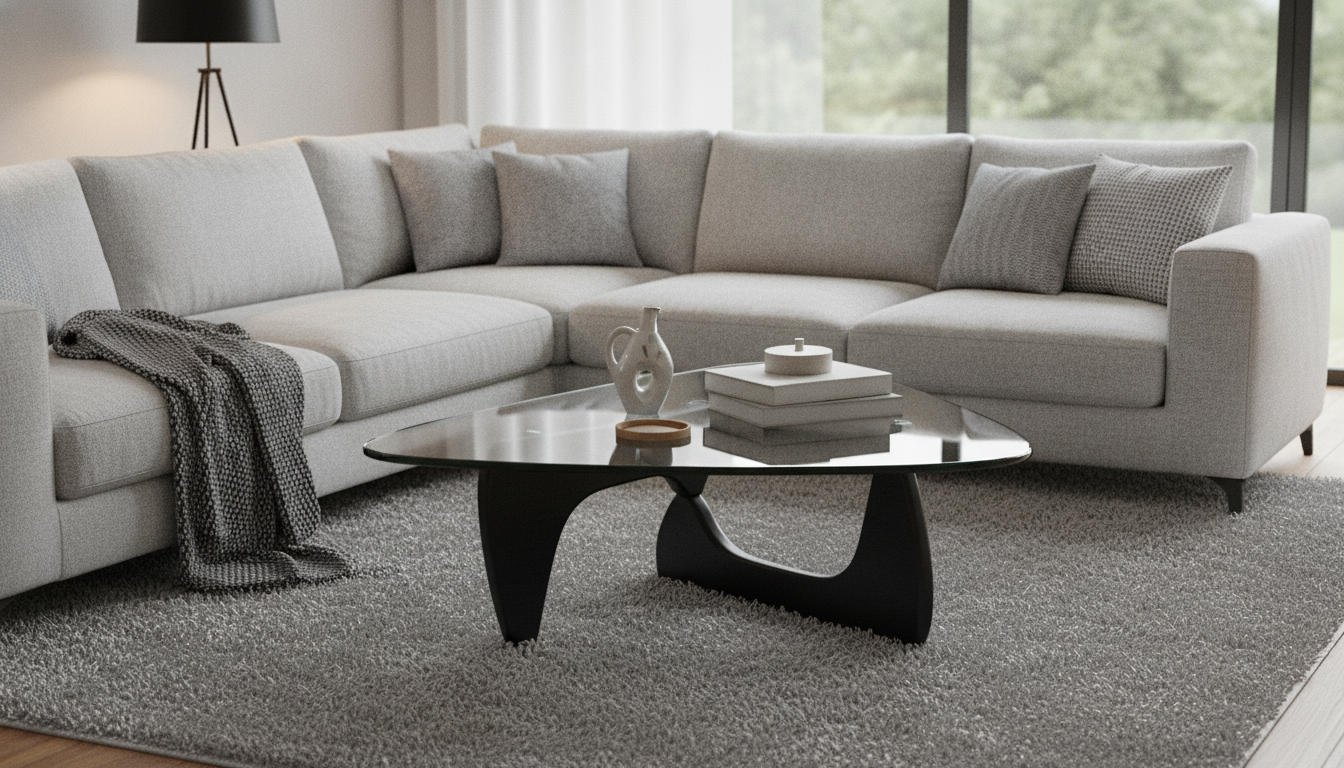
How do you measure a seating area to choose the right coffee table height?
Start by measuring the seating you already have, because coffee table height should feel natural from the sofa—not guessed from the room size. A quick tape-measure check takes the uncertainty out of buying online and helps the table look intentional once it arrives.
Step 1: Measure your seat height (the reference point)
Measure from the floor to the top of the seat cushion where people actually sit (not the top of the arm). If your cushions are very soft, take the measurement with someone seated to capture the “compressed” height you experience day to day.
Step 2: Measure the sofa cushion top to the floor for the target range
A good rule is for the coffee table to land about 1–2 inches lower than the top of the seat cushion. That keeps drinks and remotes easy to reach without the table feeling bulky or blocking sightlines.
Step 3: Check clearance between seating and table
Measure the distance from the front edge of the sofa (or chair) to where the table would start. Aim for about 16–18 inches of gap so legs can pass through comfortably and you can stand up without bumping your knees.
Step 4: Account for what you do on the table
If you eat casual meals or work from the sofa, leaning slightly taller (closer to seat height) can feel better. If your seating is low-profile or you want a lighter visual profile—common with mid-century spaces—staying 2 inches lower often looks and feels more balanced.
Want a style-specific reference?
For proportion tips that pair well with a sculptural silhouette, see the guide to a glass triangle coffee table here: https://journalle.com/guide-glass-triangle-coffee-table-mid-century-guide/.
FAQ
How much space should be between a coffee table and a sofa?
Most seating areas feel best with about 16–18 inches between the coffee table edge and the sofa. This leaves room to walk and sit while keeping items within easy reach.















Leave a comment