-
Shop
- Advanced Technologies
- AI Skills
- AI Skills for Creators & Freelancers
- AI Client Management
- AI Ethics
- AI Mindset
- AI Tools & Prompts
- AI Writing & Content Creation
- Audio, Voice & Music
- Design & Visual Creation
- Email, Messaging & Communication
- Freelancing & Business
- Marketing, Ads & Conversion
- Productivity, Workflow & Automation
- SEO & Search Optimization
- Social Media Content & Growth
- Strategy, Planning & Analytics
- Video Creation & Editing
- Apple Accessories
- Bathroom
- Beauty
- Best-Sellers
- Car Accessories
- Car Buying & Ownership
- Confidence
- Dating & Social Skills
- Digital Resources
- Education & Learning
- Family & Parenting
- Fashion
- Alexander McQueen
- Bags
- Balenciaga
- Blazers
- Bottega Veneta
- Brunello Cucinelli
- Burberry
- Chanel
- Chloé
- Dior
- Dolce & Gabbana
- Dresses
- Etro
- Fendi
- Gucci
- Jacquemus
- Jil Sander
- Kiton
- Luggage
- Miu Miu
- Off-White
- Outerwear
- Prada
- Rick Owens
- Saint Laurent
- Shoes
- The Row
- Tom Ford
- Valentino
- Valentino Garavani
- Versace
- Vivienne Westwood
- Fashion Accessories
- Furniture
- Gadgets
- Health & Beauty
- Health & Wellness
- Home Decor
- Home Electronics
- Home Styling & Organization
- Home Supplies
- Kids & Babies
- Kitchen
- Legend Footwear Brands Collection
- Lighting
- Luxury Brands Collection
- Online Business for Beginners
- Parenting & Child Development
- Patio, Lawn & Garden
- Personal Growth
- Personal Style & Fashion
- Pet Care
- Pet Lifestyle & Wellness
- Pet Supplies
- Pets
- Smart Amazon Shopping
- Smart Home Living Guides
- Super Deals
- Travel
- Travel & Adventure
- Wealth
- Wellness
- Popular
- Best deals
Does Uncovered Interest Parity Hold in Korea?
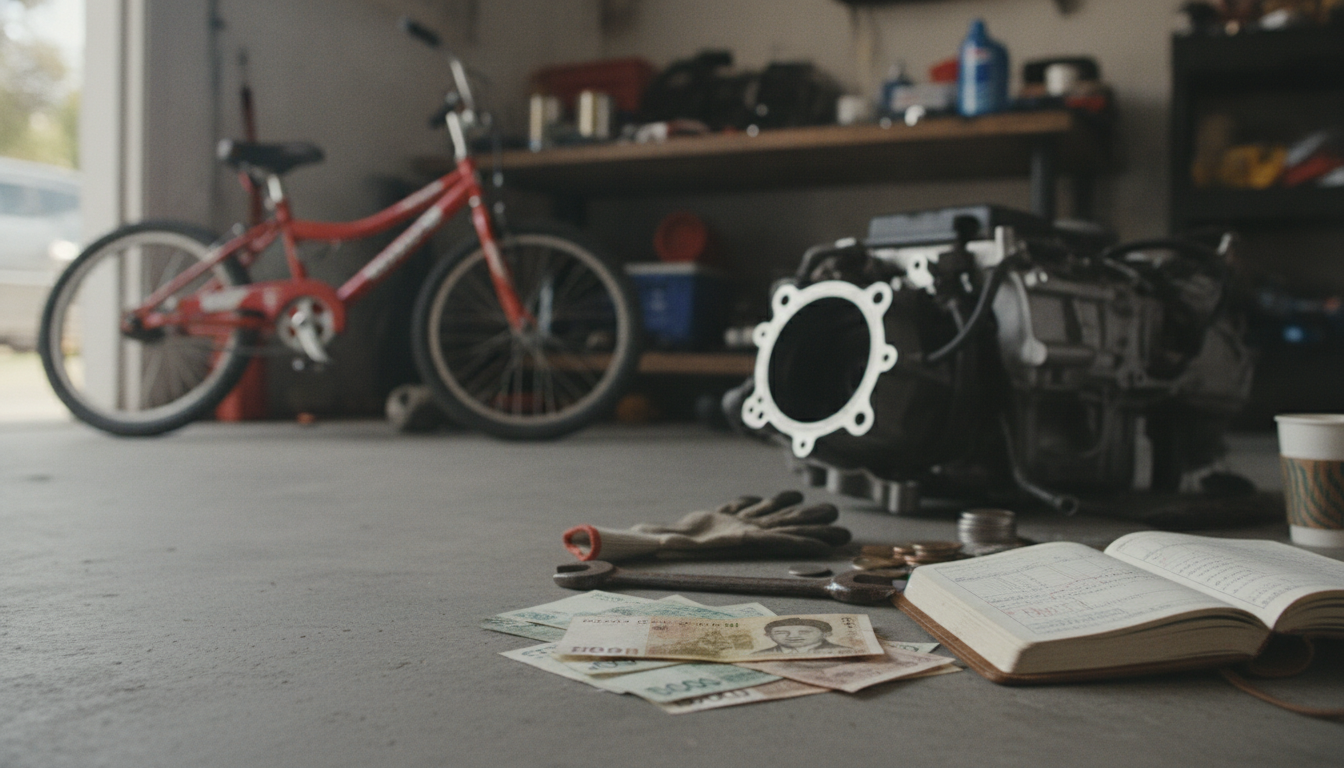
Does the uncovered interest parity hold better in Korea?
Uncovered interest parity (UIP) is the idea that the interest-rate gap between two countries should be offset by an expected change in the exchange rate—so investors shouldn’t systematically earn extra returns by borrowing in a low-rate currency and investing in a higher-rate one without hedging.
For South Korea, UIP does not reliably “hold better” in a simple, always-true sense. Like many open economies, Korea’s data often show the classic “forward premium puzzle”: higher Korean interest rates have not consistently been followed by a won depreciation large enough to erase the interest advantage. That pattern implies time-varying risk premia (investors demanding compensation for holding won exposure), shifts in global risk appetite, and occasional frictions that can keep UIP from fitting neatly.
That said, Korea can sometimes look closer to UIP than some peer markets under certain conditions. When financial markets are calm and liquidity is strong, exchange-rate movements may align more with rate differentials, especially at longer horizons. During stress periods—when the won can move sharply and funding conditions tighten—UIP relationships can appear to “snap back” as risk premia widen and exchange rates adjust quickly. Korea’s deep integration with global trade and capital flows also means global dollar conditions and investor positioning can dominate short-run currency moves, which may obscure UIP in day-to-day data.
In practice, evaluating whether UIP “holds” in Korea depends on the timeframe (days vs. years), the sample period (crisis vs. stable years), and whether you account for risk premia and market frictions. For personal finance planning—such as tracking taxable interest income and cross-border cash holdings—clear recordkeeping often matters more than any one parity condition. For a practical checklist on organizing and reporting bank interest, see this step-by-step guide to declaring bank interest.
FAQ
What is the difference between covered and uncovered interest parity?
Covered interest parity uses a forward contract to lock in the future exchange rate, so arbitrage tends to keep it tight when markets function well. Uncovered interest parity leaves the exchange rate unhedged, so risk premia and expectation errors can cause larger, persistent deviations.
Recommended for you



Oversized Queen Bed Name: Olympic Queen Explained
Jul 30, 2026













Leave a comment