-
Shop
- Advanced Technologies
- AI Skills
- AI Skills for Creators & Freelancers
- AI Client Management
- AI Ethics
- AI Mindset
- AI Tools & Prompts
- AI Writing & Content Creation
- Audio, Voice & Music
- Design & Visual Creation
- Email, Messaging & Communication
- Freelancing & Business
- Marketing, Ads & Conversion
- Productivity, Workflow & Automation
- SEO & Search Optimization
- Social Media Content & Growth
- Strategy, Planning & Analytics
- Video Creation & Editing
- Apple Accessories
- Bathroom
- Beauty
- Best-Sellers
- Car Accessories
- Car Buying & Ownership
- Confidence
- Dating & Social Skills
- Digital Resources
- Education & Learning
- Family & Parenting
- Fashion
- Alexander McQueen
- Bags
- Balenciaga
- Blazers
- Bottega Veneta
- Brunello Cucinelli
- Burberry
- Chanel
- Chloé
- Dior
- Dolce & Gabbana
- Dresses
- Etro
- Fendi
- Gucci
- Jacquemus
- Jil Sander
- Kiton
- Luggage
- Miu Miu
- Off-White
- Outerwear
- Prada
- Rick Owens
- Saint Laurent
- Shoes
- The Row
- Tom Ford
- Valentino
- Valentino Garavani
- Versace
- Vivienne Westwood
- Fashion Accessories
- Furniture
- Gadgets
- Health & Beauty
- Health & Wellness
- Home Decor
- Home Electronics
- Home Styling & Organization
- Home Supplies
- Kids & Babies
- Kitchen
- Legend Footwear Brands Collection
- Lighting
- Luxury Brands Collection
- Online Business for Beginners
- Parenting & Child Development
- Patio, Lawn & Garden
- Personal Growth
- Personal Style & Fashion
- Pet Care
- Pet Lifestyle & Wellness
- Pet Supplies
- Pets
- Smart Amazon Shopping
- Smart Home Living Guides
- Super Deals
- Travel
- Travel & Adventure
- Wealth
- Wellness
- Popular
- Best deals
Tankless Water Heaters: What Plumbers Want You to Know
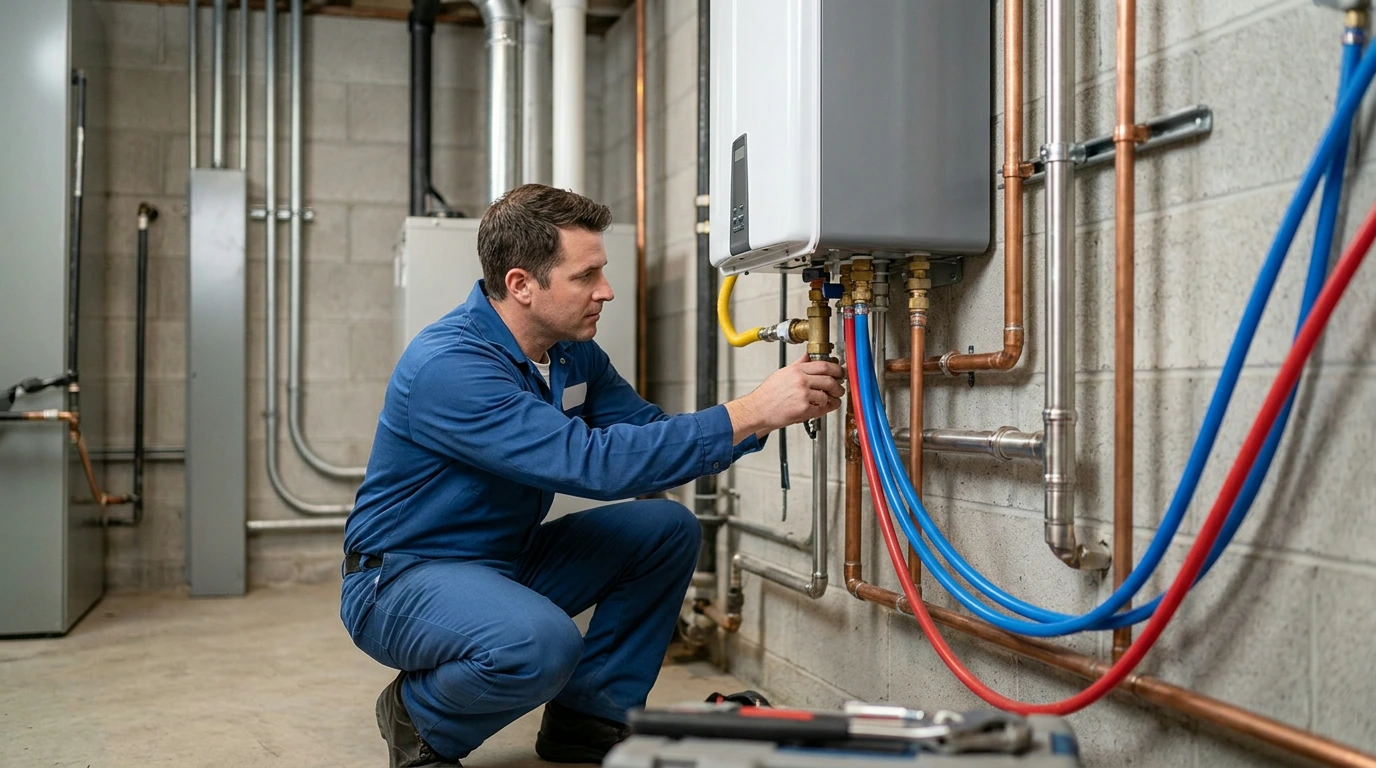
Why don’t plumbers like tankless water heaters?
Many plumbers do install and recommend tankless water heaters. The concern is usually not the technology itself, but whether a particular home can support the unit and whether it is sized and installed correctly. Tankless systems can be efficient and space-saving, but they may take more planning than replacing a conventional tank.
What makes installation more complicated?
Tankless heaters must raise incoming water to the desired temperature while water is flowing. The colder the incoming water and the more fixtures you use at once, the more heating capacity the unit needs. A unit that is too small may deliver less hot water than expected when showers, sinks, or appliances run simultaneously.
Electric models can also require substantial electrical capacity, and a home’s panel or wiring may need an upgrade. Gas models may require changes to gas piping and venting. Those upgrades can add cost and time, so a plumber needs to assess the home rather than simply swap one appliance for another.
Do tankless systems need more maintenance?
They can need periodic descaling, especially where water is hard. Mineral buildup can reduce performance or damage components if maintenance is neglected. A plumber may also consider whether the heater will be accessible for servicing and whether the installation meets local code. These practical details can make a tankless project less straightforward than a standard tank replacement.
Are tankless water heaters a poor choice?
Not necessarily. They can save space and provide hot water continuously within the unit’s flow and temperature-rise limits. The best choice depends on household demand, utility capacity, local water conditions, installation cost, and maintenance preferences. Before choosing a model, ask a qualified installer to calculate your simultaneous hot-water demand and confirm that your home can supply the required power or gas.
If you’re considering an electric model, our guide to instant electric water heaters and remote controls can help you understand the controls and product features to consider.
FAQ
Can an electric tankless water heater run out of hot water?
It does not store a limited tank of hot water, but it can struggle to keep up if demand exceeds its flow capacity or the required temperature rise. Choosing a correctly sized unit helps maintain the temperature you want.
Recommended for you
Instant Water Heaters: Drawbacks to Consider
Sep 30, 2026
Instant or Tankless Water Heater? Key Differences
Sep 30, 2026













Leave a comment