-
Shop
- Advanced Technologies
- AI Skills
- AI Skills for Creators & Freelancers
- AI Client Management
- AI Ethics
- AI Mindset
- AI Tools & Prompts
- AI Writing & Content Creation
- Audio, Voice & Music
- Design & Visual Creation
- Email, Messaging & Communication
- Freelancing & Business
- Marketing, Ads & Conversion
- Productivity, Workflow & Automation
- SEO & Search Optimization
- Social Media Content & Growth
- Strategy, Planning & Analytics
- Video Creation & Editing
- Apple Accessories
- Bathroom
- Beauty
- Best-Sellers
- Car Accessories
- Car Buying & Ownership
- Confidence
- Dating & Social Skills
- Digital Resources
- Education & Learning
- Family & Parenting
- Fashion
- Alexander McQueen
- Bags
- Balenciaga
- Blazers
- Bottega Veneta
- Brunello Cucinelli
- Burberry
- Chanel
- Chloé
- Dior
- Dolce & Gabbana
- Dresses
- Etro
- Fendi
- Gucci
- Jacquemus
- Jil Sander
- Kiton
- Luggage
- Miu Miu
- Off-White
- Outerwear
- Prada
- Rick Owens
- Saint Laurent
- Shoes
- The Row
- Tom Ford
- Valentino
- Valentino Garavani
- Versace
- Vivienne Westwood
- Fashion Accessories
- Furniture
- Gadgets
- Health & Beauty
- Health & Wellness
- Home Decor
- Home Electronics
- Home Styling & Organization
- Home Supplies
- Kids & Babies
- Kitchen
- Legend Footwear Brands Collection
- Lighting
- Luxury Brands Collection
- Online Business for Beginners
- Parenting & Child Development
- Patio, Lawn & Garden
- Personal Growth
- Personal Style & Fashion
- Pet Care
- Pet Lifestyle & Wellness
- Pet Supplies
- Pets
- Smart Amazon Shopping
- Smart Home Living Guides
- Super Deals
- Travel
- Travel & Adventure
- Wealth
- Wellness
- Popular
- Best deals
Best Exercise to Prevent Injury: Strength Training Basics
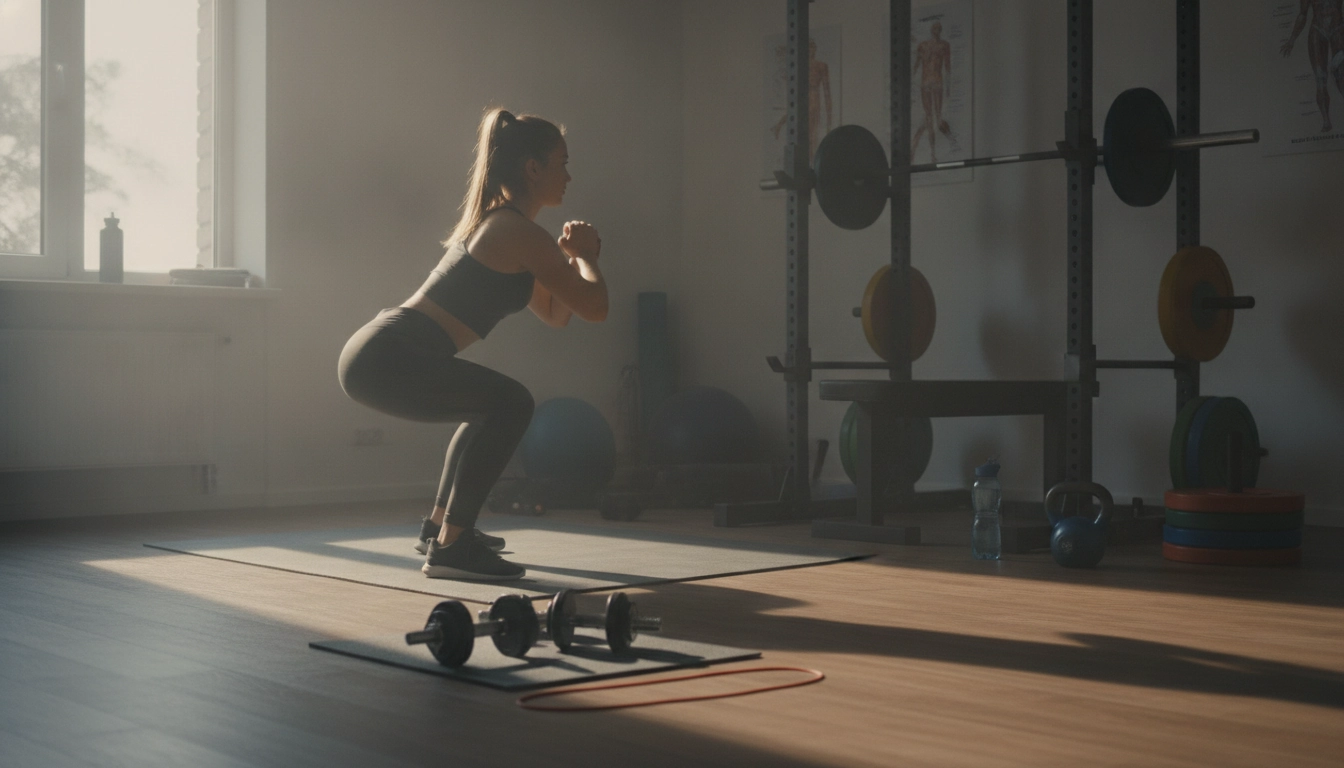
What is the best exercise to prevent injury?
No single move can “injury-proof” the body, but the best all-around choice for injury prevention is basic strength training that builds control through full ranges of motion. Strong muscles and tendons help absorb force, stabilize joints, and reduce the strain that often leads to common overuse issues in the knees, hips, shoulders, and low back.
Why strength training works for injury prevention
Injuries frequently happen when tissue capacity (strength, tendon stiffness, coordination, and fatigue resistance) can’t match the demands of sport or daily life. Progressive resistance training increases that capacity. It also improves movement quality—especially when reps are slow, controlled, and pain-free—so the body learns to produce and resist force without “leaking” stability.
The most protective exercises (and what they train)
The most reliable approach is a simple program centered on movement patterns:
1) Squat pattern (goblet squat, split squat): supports knees/hips and builds leg symmetry.
2) Hip hinge (Romanian deadlift, hip thrust): strengthens glutes/hamstrings to protect the back and improve sprinting/jumping mechanics.
3) Push + pull (push-ups, rows): balances the shoulders and upper back for healthier posture and overhead motion.
4) Core bracing/anti-rotation (planks, dead bug, Pallof press): improves trunk stability so limbs can generate force safely.
How to do it safely
Aim for 2–3 sessions per week, starting with light-to-moderate loads and leaving 2–3 reps “in the tank.” Prioritize smooth tempo, full control, and consistent technique over heavy weights. If a joint feels pinchy or sharp, adjust the range of motion, stance, or exercise selection rather than pushing through.
What to add for even better protection
Pair strength work with a short dynamic warm-up (5–10 minutes), occasional balance or single-leg work, and gradual increases in training volume. For a deeper breakdown of the most useful movements and programming ideas, visit the full guide on injury-preventing exercises.
FAQ
Should you stretch before working out to reduce injuries?
Do a dynamic warm-up before training (leg swings, light squats, arm circles) to raise temperature and prepare joints. Save longer static stretching for after workouts or separate mobility sessions if it helps range of motion.
Recommended for you


Jacquemus Corto Cotton Hoodie Fit: TTS or Oversized?
Aug 12, 2026













Leave a comment