-
Shop
- Advanced Technologies
- AI Skills
- AI Skills for Creators & Freelancers
- AI Client Management
- AI Ethics
- AI Mindset
- AI Tools & Prompts
- AI Writing & Content Creation
- Audio, Voice & Music
- Design & Visual Creation
- Email, Messaging & Communication
- Freelancing & Business
- Marketing, Ads & Conversion
- Productivity, Workflow & Automation
- SEO & Search Optimization
- Social Media Content & Growth
- Strategy, Planning & Analytics
- Video Creation & Editing
- Apple Accessories
- Bathroom
- Beauty
- Best-Sellers
- Car Accessories
- Car Buying & Ownership
- Confidence
- Dating & Social Skills
- Digital Resources
- Education & Learning
- Family & Parenting
- Fashion
- Alexander McQueen
- Bags
- Balenciaga
- Blazers
- Bottega Veneta
- Brunello Cucinelli
- Burberry
- Chanel
- Chloé
- Dior
- Dolce & Gabbana
- Dresses
- Etro
- Fendi
- Gucci
- Jacquemus
- Jil Sander
- Kiton
- Luggage
- Miu Miu
- Off-White
- Outerwear
- Prada
- Rick Owens
- Saint Laurent
- Shoes
- The Row
- Tom Ford
- Valentino
- Valentino Garavani
- Versace
- Vivienne Westwood
- Fashion Accessories
- Furniture
- Gadgets
- Health & Beauty
- Health & Wellness
- Home Decor
- Home Electronics
- Home Styling & Organization
- Home Supplies
- Kids & Babies
- Kitchen
- Legend Footwear Brands Collection
- Lighting
- Luxury Brands Collection
- Online Business for Beginners
- Parenting & Child Development
- Patio, Lawn & Garden
- Personal Growth
- Personal Style & Fashion
- Pet Care
- Pet Lifestyle & Wellness
- Pet Supplies
- Pets
- Smart Amazon Shopping
- Smart Home Living Guides
- Super Deals
- Travel
- Travel & Adventure
- Wealth
- Wellness
- Popular
- Best deals
Predict Market Trends With AI: Data, Models, Decisions
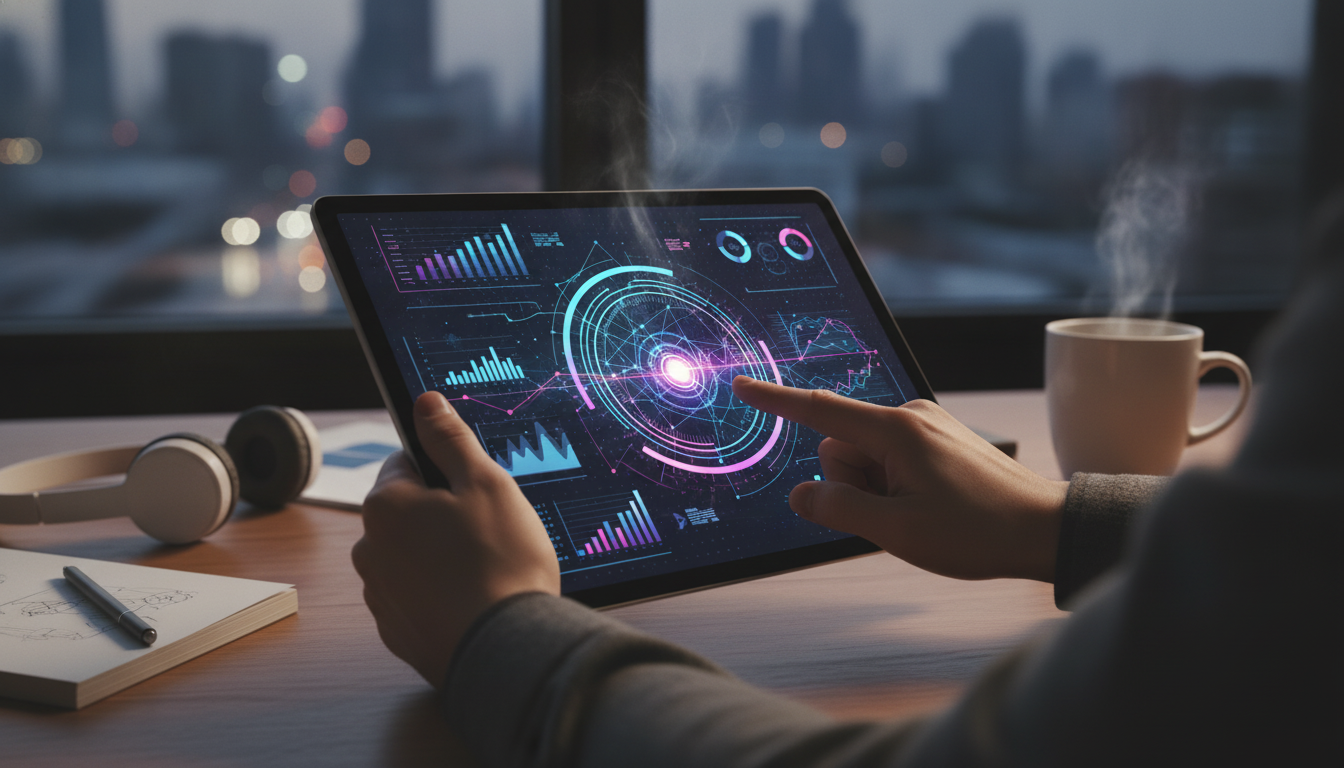
How to predict market trend with AI?
AI predicts market trends by turning scattered signals—search behavior, sales patterns, social chatter, pricing moves, macro indicators, and supply-chain shifts—into probabilistic forecasts. Instead of relying on a single “leading indicator,” modern systems combine many weak signals, learn how they interact, and update predictions as new data arrives.
What data should AI use to spot trend signals?
Start with first-party data (transactions, product views, email engagement, customer support tags), then add external context (market prices, competitor assortment, public sentiment, economic releases). The most reliable setups prioritize data that is frequent, time-stamped, and consistently collected. Clean definitions matter: the same “conversion” or “out-of-stock” event must mean the same thing over time, or the model will learn noise.
Which AI methods work best for trend prediction?
Common approaches include time-series forecasting (to project demand or price), classification models (to detect “trend up” vs. “trend down”), and anomaly detection (to flag sudden shifts). Many teams also use natural language processing to extract themes from reviews, news, and social posts. The practical goal isn’t a perfect crystal ball—it’s earlier, more confident directional calls with measurable accuracy.
How to turn AI forecasts into decisions?
Predictions become useful when they trigger actions with clear thresholds: reorder points, promotional timing, dynamic pricing guardrails, budget reallocations, or new-product tests. Pair every forecast with a decision rule (what to do), a time horizon (when), and a confidence band (how sure). Backtest decisions against historical periods to see whether acting on the forecast would have improved margin, sell-through, or customer satisfaction.
What mistakes reduce accuracy?
Trend models often fail due to data leakage (accidentally using future information), confusing seasonality for growth, ignoring regime changes (new competitors, channel shifts), or overreacting to short-lived spikes. Human oversight remains essential: validate inputs, monitor drift, and require explainability for high-impact decisions.
For a deeper walkthrough on identifying signals, building forecasts, and mapping them to concrete actions, read the full guide here: https://journalle.com/guide-ai-market-trend-spotting-signals-forecasts-actions/.
FAQ
What is the difference between trend detection and forecasting?
Trend detection identifies whether something is changing now (and why), while forecasting estimates what is likely to happen next over a defined horizon. Many AI systems do both: detect a shift early, then project its expected size and duration.
Recommended for you



Mastering the Art of French Cooking: Worth Buying?
Aug 19, 2026













Leave a comment