-
Shop
- Advanced Technologies
- AI Skills
- AI Skills for Creators & Freelancers
- AI Client Management
- AI Ethics
- AI Mindset
- AI Tools & Prompts
- AI Writing & Content Creation
- Audio, Voice & Music
- Design & Visual Creation
- Email, Messaging & Communication
- Freelancing & Business
- Marketing, Ads & Conversion
- Productivity, Workflow & Automation
- SEO & Search Optimization
- Social Media Content & Growth
- Strategy, Planning & Analytics
- Video Creation & Editing
- Apple Accessories
- Bathroom
- Beauty
- Best-Sellers
- Car Accessories
- Car Buying & Ownership
- Confidence
- Dating & Social Skills
- Digital Resources
- Education & Learning
- Family & Parenting
- Fashion
- Alexander McQueen
- Bags
- Balenciaga
- Blazers
- Bottega Veneta
- Brunello Cucinelli
- Burberry
- Chanel
- Chloé
- Dior
- Dolce & Gabbana
- Dresses
- Etro
- Fendi
- Gucci
- Jacquemus
- Jil Sander
- Kiton
- Luggage
- Miu Miu
- Off-White
- Outerwear
- Prada
- Rick Owens
- Saint Laurent
- Shoes
- The Row
- Tom Ford
- Valentino
- Valentino Garavani
- Versace
- Vivienne Westwood
- Fashion Accessories
- Furniture
- Gadgets
- Health & Beauty
- Health & Wellness
- Home Decor
- Home Electronics
- Home Styling & Organization
- Home Supplies
- Kids & Babies
- Kitchen
- Legend Footwear Brands Collection
- Lighting
- Luxury Brands Collection
- Online Business for Beginners
- Parenting & Child Development
- Patio, Lawn & Garden
- Personal Growth
- Personal Style & Fashion
- Pet Care
- Pet Lifestyle & Wellness
- Pet Supplies
- Pets
- Smart Amazon Shopping
- Smart Home Living Guides
- Super Deals
- Travel
- Travel & Adventure
- Wealth
- Wellness
- Popular
- Best deals
Daily Fish Feeding Checklist: Portions, Timing, and Signs
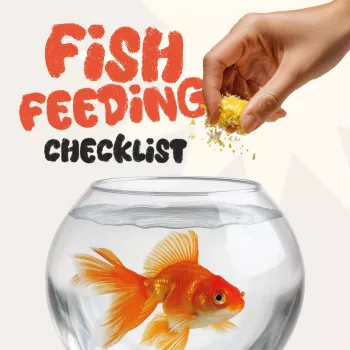
Fish Feeding Checklist: How Much to Feed Daily for Healthy Aquarium Fish
Feeding aquarium fish is less about “more food = happier fish” and more about steady routines, species needs, and water quality. A simple checklist keeps daily portions consistent, helps you set a schedule that matches your stock, and makes it easier to catch early signs of under- or overfeeding so fish stay active and the tank stays clear. For more guidance, see 3.3. Amount of Fish Food.
The daily feeding checklist (quick routine)
- Confirm water temperature and filter flow look normal before feeding; stressed fish often ignore food and leftovers foul water.
- Feed small portions and watch the fish eat; stop once interest drops and food begins to sink uneaten.
- Remove visible leftovers after a few minutes (especially for flakes/pellets in small tanks).
- Log what was fed, how much, and fish behavior (eager, sluggish, aggressive, hiding) to fine-tune portions.
- Do a quick scan for signs of bloat, hollow bellies, stringy feces, or gasping at the surface—adjust feeding accordingly.
Two-minute feeding decision table
| What you observe | Likely cause | What to do next feeding |
|---|---|---|
| Food hits the bottom quickly and sits there | Portion too large or pellets too big | Reduce portion by 25–50%; switch to smaller pellets or pre-soak |
| Fish rush food, then spit repeatedly | Food too hard/large or fish stressed | Try smaller size; soak; check temperature/ammonia |
| Cloudy water within hours of feeding | Excess food / high dissolved organics | Cut portions; increase maintenance; consider feeding once daily temporarily |
| One fish dominates, others miss meals | Competition at surface | Use feeding ring; spread food across tank; target feed shy fish |
| Fish look thin with hollow bellies | Underfeeding or parasites | Increase slightly; add varied foods; if persistent, assess for illness |
How much should you feed fish daily?
A reliable starting point is the “eaten quickly” rule: offer only what the tank consumes within a short window, then stop before leftovers accumulate. Exact amounts vary by species, tank temperature, and stocking level, so begin conservatively and adjust based on what you observe over the next 1–2 weeks. For further reading, see How to Properly Feed Your Fish.
- Start with conservative portions and adjust weekly based on body condition, activity level, and water clarity.
- Juveniles and fast-growing fish generally need smaller meals more often; many adult community fish do well with one to two feedings per day.
- Bottom feeders need food that reaches them (sinking wafers, gel foods, blanched vegetables), not just surface flakes.
- Heavily planted tanks can buffer minor excess, but overfeeding still drives algae and waste buildup.
If you want a science-based refresher on how diet and nutrients affect fish health, see the Merck Veterinary Manual overview of fish nutrition.
Build a schedule by fish type and life stage
Consistent timing matters more than “perfect” clockwork. Feed at roughly the same times each day so fish learn the routine, and adjust frequency when life stage or behavior demands it.
- Community tropical fish: consistent timing; split into two small meals if aggression or fast metabolism is an issue.
- Goldfish and other messy eaters: smaller portions help prevent rapid waste spikes; choose foods that reduce crumbling and clouding.
- Cichlids and larger predators: fewer, more substantial feedings may suit them, but avoid “stuffing” that leads to bloat.
- Fry and juveniles: multiple micro-meals support growth; prioritize high-quality, appropriately sized foods.
- Nocturnal species (many catfish/loaches): feed near lights-out and confirm food reaches the bottom.
Sample feeding frequency guide (adjust to behavior and water tests)
| Fish group | Typical frequency | Notes to watch |
|---|---|---|
| Small tropical community fish | 1–2 times/day | Reduce if leftovers appear or nitrate rises quickly |
| Goldfish | 1–2 times/day | Favor sinking/slow-sinking; avoid large single meals |
| Fry/juveniles | 3–5 small feedings/day | Keep portions tiny; maintain filtration and frequent water changes |
| Bottom feeders | Once/day (often at night) | Ensure food reaches them; remove uneaten wafers later |
| Shrimp/snails in community tanks | Small supplemental feedings as needed | Overfeeding rapidly fuels algae and detritus buildup |
Portion control methods that work in real tanks
What to feed: balancing protein, fiber, and variety
For broad husbandry and welfare basics (including feeding and environment), the RSPCA’s fish care guidance is a helpful reference point.
Overfeeding vs. underfeeding: fast diagnosis
Tank factors that change feeding needs
Weekly checklist to keep feeding on track
Printable reference: a simple daily log
Daily feeding log template
| Date/Time | Food | Amount | Eaten in (minutes) | Notes (behavior/leftovers) |
|---|---|---|---|---|
| ____ | ____ | ____ | ____ | ____ |
| ____ | ____ | ____ | ____ | ____ |
| ____ | ____ | ____ | ____ | ____ |
A ready-to-use checklist guide
For a compact, step-by-step checklist that can be saved or printed, use Fish Feeding Checklist – How Much Should You Feed Fish Daily? Complete Guide for Aquarium Care to keep portions, schedules, and troubleshooting in one place.
If you’re also standardizing routines across pets in a busy home, Automatic Self-Cleaning Litter Box with Safety Features for Multi-Cat Households can reduce daily maintenance time—making it easier to keep aquarium tasks consistent.
FAQ
How many times a day should aquarium fish be fed?
Most adult community fish do well with 1–2 small feedings per day. Increase frequency for fry and juveniles, and scale back for messy eaters or tanks showing rising nutrients—your fish behavior and water tests should guide the final routine.
How long should it take fish to eat their food?
Aim for a short window where food is actively consumed; stop when interest drops and you see pieces sinking uneaten. For bottom feeders, use sinking foods and check later so wafers don’t sit and decay.
Is it okay to skip a day of feeding?
For healthy adult fish, skipping a day (or doing a very light-feeding day) is usually fine and can help prevent bloat and reduce waste. Avoid fasting fry, very young juveniles, or fish with specialized needs unless a veterinarian or experienced aquatic professional recommends it.
Recommended for you

How Voice AI Works: ASR, NLP, Actions, and TTS
Jul 27, 2026













Leave a comment