-
Shop
- Advanced Technologies
- AI Skills
- AI Skills for Creators & Freelancers
- AI Client Management
- AI Ethics
- AI Mindset
- AI Tools & Prompts
- AI Writing & Content Creation
- Audio, Voice & Music
- Design & Visual Creation
- Email, Messaging & Communication
- Freelancing & Business
- Marketing, Ads & Conversion
- Productivity, Workflow & Automation
- SEO & Search Optimization
- Social Media Content & Growth
- Strategy, Planning & Analytics
- Video Creation & Editing
- Apple Accessories
- Bathroom
- Beauty
- Best-Sellers
- Car Accessories
- Car Buying & Ownership
- Confidence
- Dating & Social Skills
- Digital Resources
- Education & Learning
- Family & Parenting
- Fashion
- Alexander McQueen
- Bags
- Balenciaga
- Blazers
- Bottega Veneta
- Brunello Cucinelli
- Burberry
- Chanel
- Chloé
- Dior
- Dolce & Gabbana
- Dresses
- Etro
- Fendi
- Gucci
- Jacquemus
- Jil Sander
- Kiton
- Luggage
- Miu Miu
- Off-White
- Outerwear
- Prada
- Rick Owens
- Saint Laurent
- Shoes
- The Row
- Tom Ford
- Valentino
- Valentino Garavani
- Versace
- Vivienne Westwood
- Fashion Accessories
- Furniture
- Gadgets
- Health & Beauty
- Health & Wellness
- Home Decor
- Home Electronics
- Home Styling & Organization
- Home Supplies
- Kids & Babies
- Kitchen
- Legend Footwear Brands Collection
- Lighting
- Luxury Brands Collection
- Online Business for Beginners
- Parenting & Child Development
- Patio, Lawn & Garden
- Personal Growth
- Personal Style & Fashion
- Pet Care
- Pet Lifestyle & Wellness
- Pet Supplies
- Pets
- Smart Amazon Shopping
- Smart Home Living Guides
- Super Deals
- Travel
- Travel & Adventure
- Wealth
- Wellness
- Popular
- Best deals
Instant or Tankless Water Heater? Key Differences
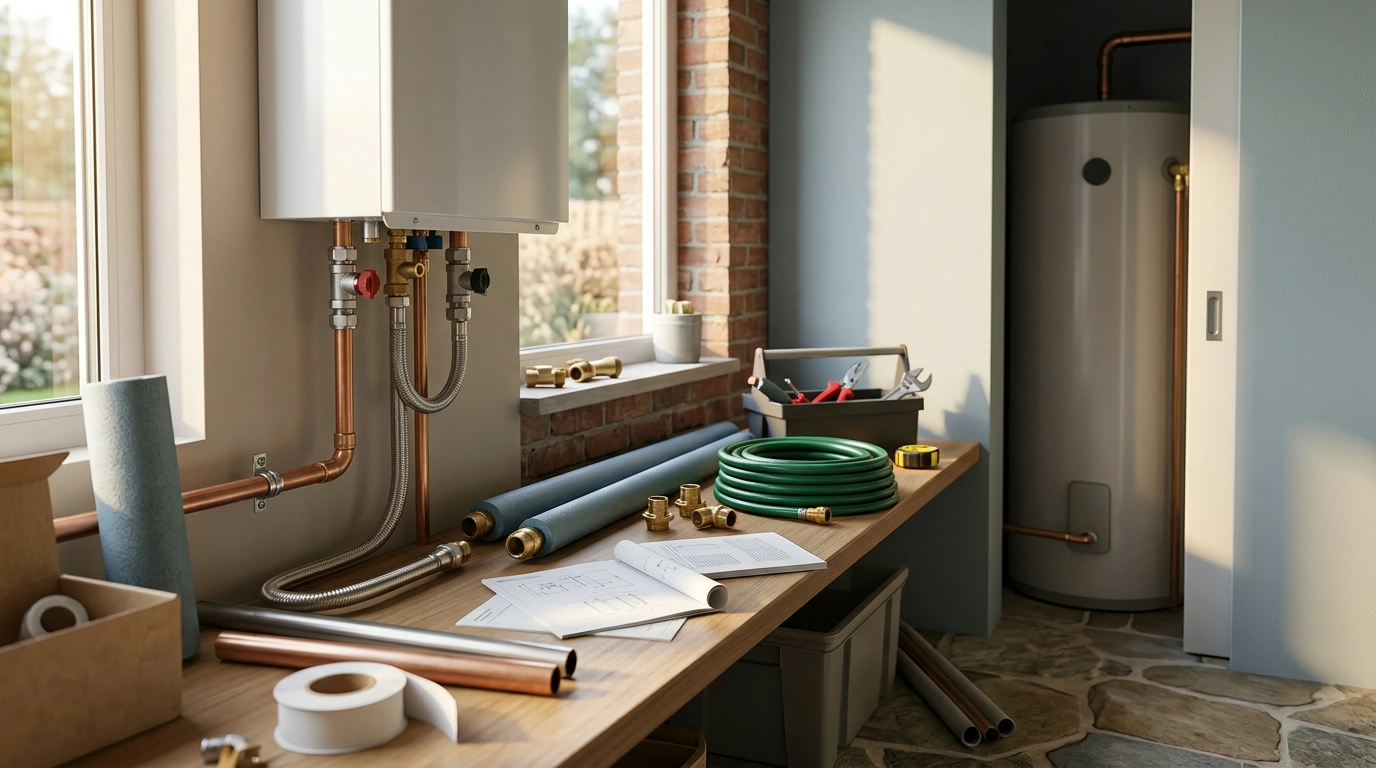
What is the difference between an instant water heater and a tankless water heater?
In many product descriptions, “instant water heater” and “tankless water heater” mean the same thing: a unit that heats water as it flows through rather than storing hot water in a tank. The difference is usually in how the terms are used. “Tankless” describes the heating method, while “instant” often highlights quick, on-demand heating or refers to a compact point-of-use model.
What does “instant water heater” usually mean?
An instant water heater is commonly a small electric unit installed near a sink, shower, or other fixture. Because it heats water close to where you use it, it can reduce the wait for hot water and may suit a single outlet. “Instant” does not necessarily mean water arrives immediately: the unit still needs to heat the passing water, and water in the pipe may need to flow out first.
What does “tankless water heater” usually mean?
Tankless is the broader term for a heater that warms water on demand without keeping a reserve in a storage tank. Tankless models can be electric or gas-powered, and some are designed to supply several fixtures or an entire home. Their output depends on the unit’s capacity, incoming water temperature, and how much hot water is being used at once.
Are the terms ever used interchangeably?
Yes. A point-of-use electric instant heater is also a type of tankless water heater, so product names can overlap. To compare units, focus on their intended use and specifications—not just the label. Look at the flow rate at your desired temperature rise, power source, installation requirements, and whether the unit is meant for one fixture or multiple simultaneous uses.
How do you choose the right type?
For one sink or another nearby fixture, a point-of-use electric model may be a practical way to provide hot water locally. For several bathrooms or whole-home use, compare units rated for your household’s peak demand; a small instant heater may not keep up with multiple fixtures running together. Electric models also need suitable electrical capacity and wiring, so have a qualified professional assess installation requirements before choosing a unit.
For more help comparing controls and features, read our guide to instant electric water heaters with remote controls.
FAQ
What should you consider before choosing an instant electric water heater?
Consider where you’ll install it, how much hot water the fixture needs, and the unit’s flow rate and electrical requirements. A qualified professional can confirm whether your wiring and installation location are suitable.
Recommended for you
Starting on Patreon: What Creators Pay—and When
Oct 1, 2026













Leave a comment