-
Shop
- Advanced Technologies
- AI Skills
- AI Skills for Creators & Freelancers
- AI Client Management
- AI Ethics
- AI Mindset
- AI Tools & Prompts
- AI Writing & Content Creation
- Audio, Voice & Music
- Design & Visual Creation
- Email, Messaging & Communication
- Freelancing & Business
- Marketing, Ads & Conversion
- Productivity, Workflow & Automation
- SEO & Search Optimization
- Social Media Content & Growth
- Strategy, Planning & Analytics
- Video Creation & Editing
- Apple Accessories
- Bathroom
- Beauty
- Best-Sellers
- Car Accessories
- Car Buying & Ownership
- Confidence
- Dating & Social Skills
- Digital Resources
- Education & Learning
- Family & Parenting
- Fashion
- Alexander McQueen
- Bags
- Balenciaga
- Blazers
- Bottega Veneta
- Brunello Cucinelli
- Burberry
- Chanel
- Chloé
- Dior
- Dolce & Gabbana
- Dresses
- Etro
- Fendi
- Gucci
- Jacquemus
- Jil Sander
- Kiton
- Luggage
- Miu Miu
- Off-White
- Outerwear
- Prada
- Rick Owens
- Saint Laurent
- Shoes
- The Row
- Tom Ford
- Valentino
- Valentino Garavani
- Versace
- Vivienne Westwood
- Fashion Accessories
- Furniture
- Gadgets
- Health & Beauty
- Health & Wellness
- Home Decor
- Home Electronics
- Home Styling & Organization
- Home Supplies
- Kids & Babies
- Kitchen
- Legend Footwear Brands Collection
- Lighting
- Luxury Brands Collection
- Online Business for Beginners
- Parenting & Child Development
- Patio, Lawn & Garden
- Personal Growth
- Personal Style & Fashion
- Pet Care
- Pet Lifestyle & Wellness
- Pet Supplies
- Pets
- Smart Amazon Shopping
- Smart Home Living Guides
- Super Deals
- Travel
- Travel & Adventure
- Wealth
- Wellness
- Popular
- Best deals
Instant Water Heaters: Drawbacks to Consider
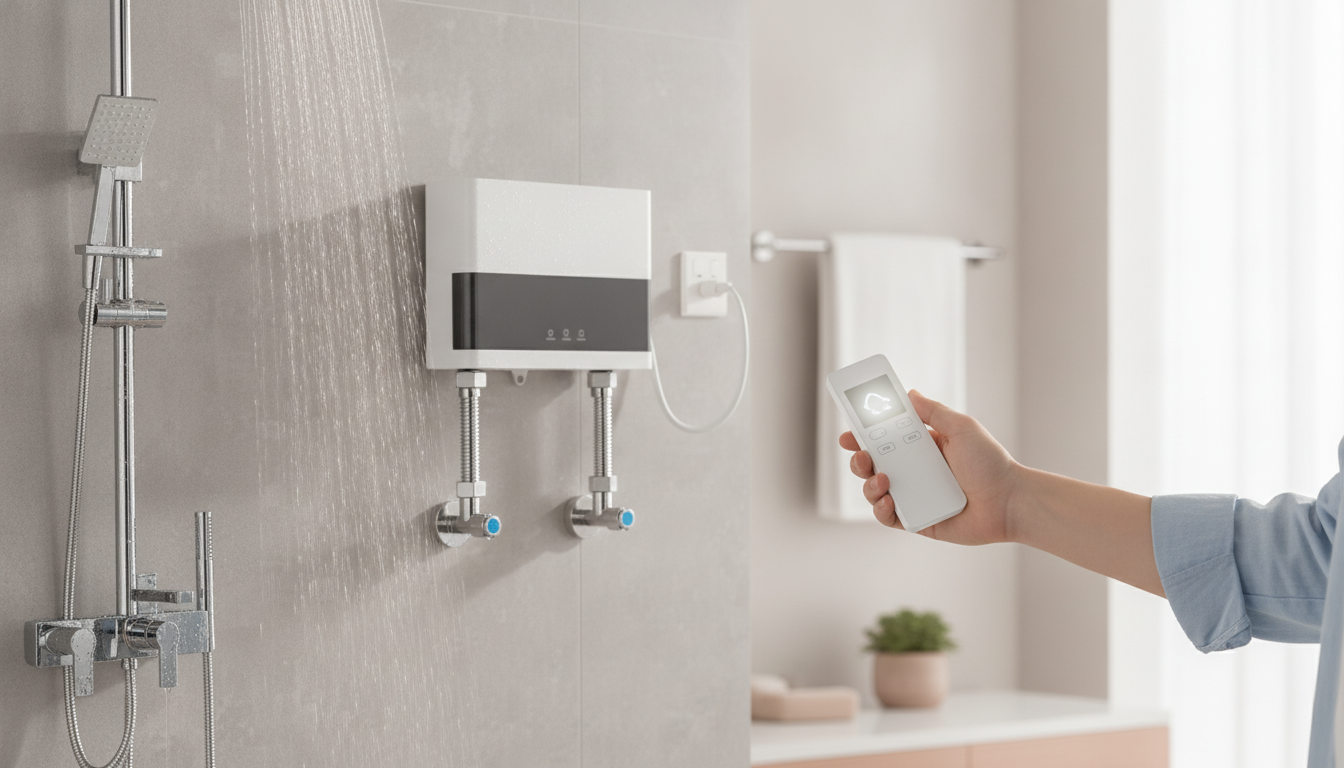
What are the downsides of instant water heaters?
Instant water heaters heat water as it flows through the unit instead of storing it in a tank. That can save space, but it also means you need to match the heater to your household’s hot-water demand. The main tradeoffs are electrical requirements, limits on simultaneous use, installation cost, and upkeep.
For an overview of controls and features, visit our instant electric water heater remote control guide.
Can an instant heater keep up with your hot-water use?
Every unit has a maximum flow rate and temperature rise. If several fixtures need hot water at once, or incoming water is especially cold, the heater may not deliver the temperature or flow you expect. You might notice this when someone showers while a dishwasher or another shower is running. A point-of-use model serves a limited area; it should not be assumed to supply an entire home.
Capacity depends on the number of fixtures you plan to use simultaneously, their flow rates, and the temperature of your incoming water. Undersizing the unit can make the limitation especially noticeable.
What installation challenges should you expect?
Many electric instant heaters draw substantial power and may require dedicated circuits, suitable wiring, and enough capacity in your electrical panel. Existing wiring for a tank heater may not be adequate. Installation can therefore involve electrical upgrades as well as plumbing work, adding to the upfront cost. Have a qualified professional confirm the requirements and follow local codes before installation.
Placement also matters: the unit needs appropriate clearance and access for servicing. A compact size does not mean it can be installed anywhere.
Do instant water heaters need maintenance?
Mineral buildup can collect inside the heater, particularly where water is hard. Scale may reduce performance over time, so periodic flushing or descaling may be needed according to the manufacturer’s instructions. Skipping maintenance can lead to reduced flow or problems with heating.
Electric models also depend on power to heat water, so a power outage means they cannot provide hot water. Consider that limitation if uninterrupted hot water is important in your home.
How can you avoid common drawbacks?
Start by estimating your peak simultaneous hot-water demand and confirming the unit’s flow and temperature-rise ratings suit your conditions. Ask a qualified installer to assess electrical capacity, placement, and plumbing before you buy. Our team recommends weighing those requirements against the space savings and your household’s typical usage.
FAQ
How do you choose the right size instant electric water heater?
List the fixtures you may use at the same time, add their flow rates, and account for the temperature rise needed from your incoming water. Compare those needs with the heater’s rated output and have an installer confirm the selection.













Leave a comment