Glass in Mid-Century Modern: When It Fits the Look
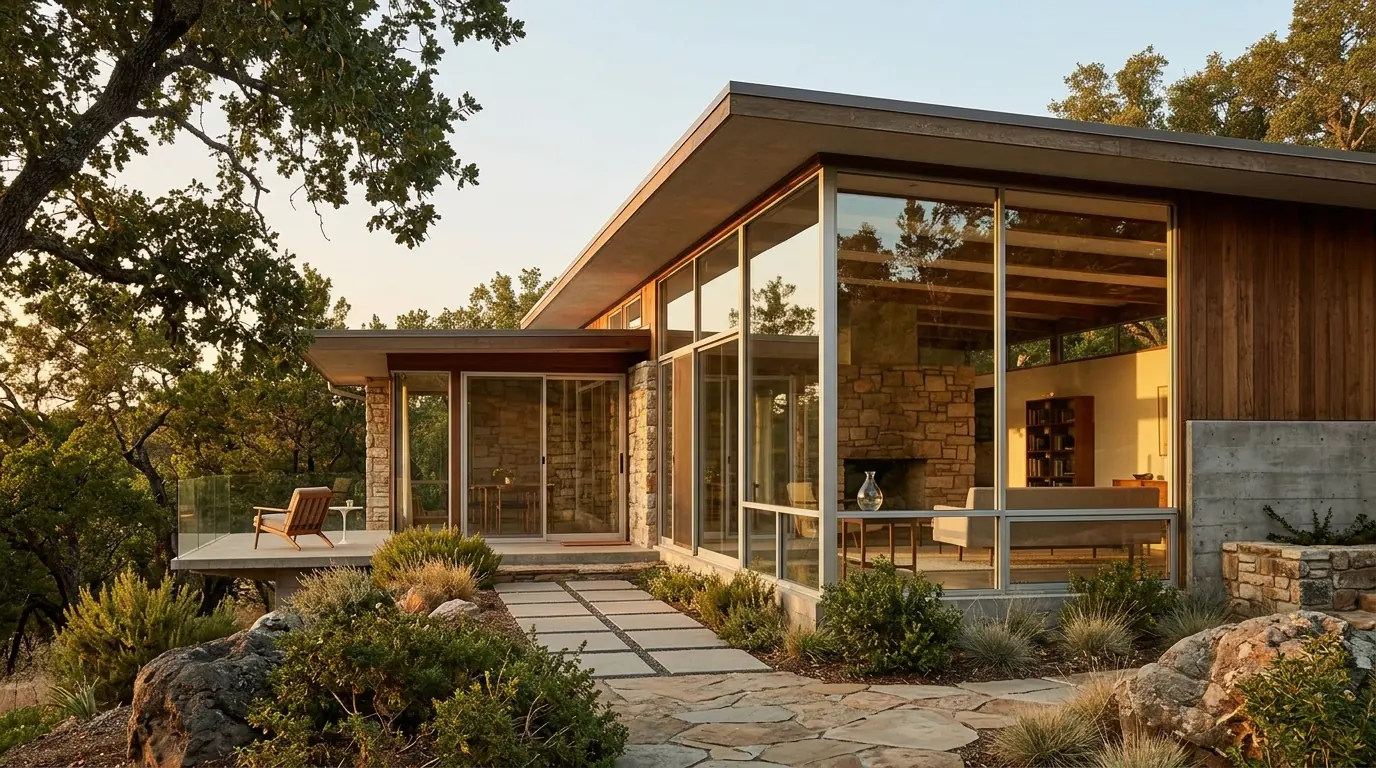
Is glass mid-century modern?
Yes—glass can be thoroughly mid-century modern, but it depends on how it’s used. Mid-century modern (roughly 1945–1969) is defined less by one material and more by a design approach: clean lines, airy silhouettes, functional forms, and an emphasis on lightness. Glass fits naturally into that mindset because it visually “disappears,” letting sculptural bases and geometric shapes take center stage.
What makes glass feel authentically mid-century modern?
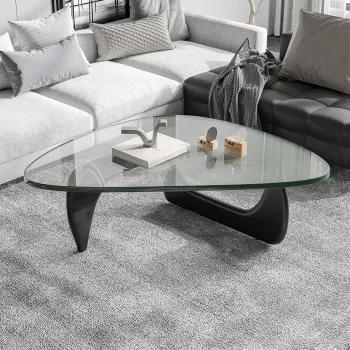
In mid-century pieces, glass is typically paired with streamlined structures and simple geometry. Think triangular, oval, or rectangular glass tops supported by tapered wood legs, metal frames, or architectural bases. The overall effect is open and minimal—perfect for the era’s love of uncluttered rooms and indoor-outdoor brightness.
Common mid-century glass looks
Clear plate glass is the classic choice, especially on coffee tables where it keeps a living room feeling spacious. Smoked or tinted glass can also read mid-century when combined with slim metal legs (often brass- or chrome-toned) and crisp proportions. Even when the glass is thick, the design still tends to prioritize sharp edges, balanced symmetry, and a low, lounge-friendly profile.
When glass doesn’t read mid-century
Glass starts to drift away from mid-century modern when it becomes overly ornate—heavy curves, elaborate beveling, or decorative flourishes that feel more traditional or glam. Likewise, bulky bases with excessive detailing can overpower the light, minimal character that makes mid-century modern recognizable.
A simple rule of thumb
If the glass is there to emphasize space, geometry, and a clean silhouette—and the base looks architectural rather than decorative—it’s very likely mid-century modern. For a deeper dive into one of the most iconic formats, see this guide to the glass triangle coffee table: https://journalle.com/guide-glass-triangle-coffee-table-mid-century-guide/.
FAQ
What materials are most common in mid-century modern coffee tables?
Walnut and teak are staples, often paired with glass or slim metal accents. The most recognizable combinations keep the profile light and the lines clean.








Leave a comment