-
Shop
- Advanced Technologies
- AI Skills
- AI Skills for Creators & Freelancers
- AI Client Management
- AI Ethics
- AI Mindset
- AI Tools & Prompts
- AI Writing & Content Creation
- Audio, Voice & Music
- Design & Visual Creation
- Email, Messaging & Communication
- Freelancing & Business
- Marketing, Ads & Conversion
- Productivity, Workflow & Automation
- SEO & Search Optimization
- Social Media Content & Growth
- Strategy, Planning & Analytics
- Video Creation & Editing
- Apple Accessories
- Bathroom
- Beauty
- Best-Sellers
- Car Accessories
- Car Buying & Ownership
- Confidence
- Dating & Social Skills
- Digital Resources
- Education & Learning
- Family & Parenting
- Fashion
- Alexander McQueen
- Bags
- Balenciaga
- Blazers
- Bottega Veneta
- Brunello Cucinelli
- Burberry
- Chanel
- Chloé
- Dior
- Dolce & Gabbana
- Dresses
- Etro
- Fendi
- Gucci
- Jacquemus
- Jil Sander
- Kiton
- Luggage
- Miu Miu
- Off-White
- Outerwear
- Prada
- Rick Owens
- Saint Laurent
- Shoes
- The Row
- Tom Ford
- Valentino
- Valentino Garavani
- Versace
- Vivienne Westwood
- Fashion Accessories
- Furniture
- Gadgets
- Health & Beauty
- Health & Wellness
- Home Decor
- Home Electronics
- Home Styling & Organization
- Home Supplies
- Kids & Babies
- Kitchen
- Legend Footwear Brands Collection
- Lighting
- Luxury Brands Collection
- Online Business for Beginners
- Parenting & Child Development
- Patio, Lawn & Garden
- Personal Growth
- Personal Style & Fashion
- Pet Care
- Pet Lifestyle & Wellness
- Pet Supplies
- Pets
- Smart Amazon Shopping
- Smart Home Living Guides
- Super Deals
- Travel
- Travel & Adventure
- Wealth
- Wellness
- Popular
- Best deals
Injury Prevention: Strength, Warm-Ups, Ergonomics
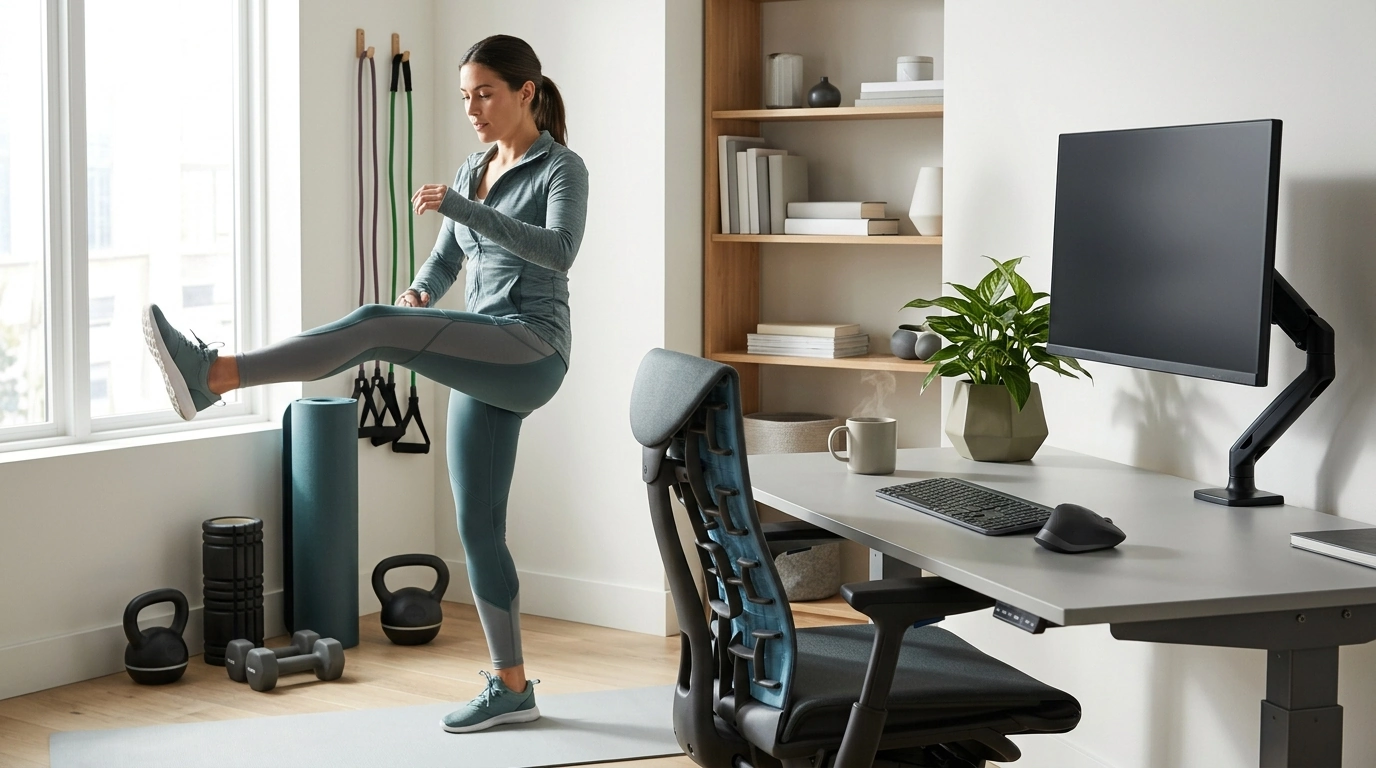
How can people prevent injuries?
Preventing injuries usually comes down to reducing surprises: sudden loads, awkward positions, fatigue, and unsafe environments. A practical prevention plan combines smart movement habits, basic conditioning, and a few safety checks at home, at work, and during exercise.
Build a safer foundation with strength and mobility
Strong muscles protect joints by absorbing force and stabilizing your body during daily tasks. Prioritize full-body strength training 2–3 times per week, focusing on legs, hips, back, and core. Pair that with mobility work (especially ankles, hips, and shoulders) to keep your range of motion comfortable so you’re less likely to compensate with risky form.
Warm up, progress gradually, and respect fatigue
A short warm-up increases blood flow and prepares tissues for movement. Start with 5–10 minutes of light cardio and dynamic moves (leg swings, arm circles, bodyweight squats). Increase training volume or intensity slowly—think small weekly changes—because many strains and tendinopathies come from doing “too much, too soon.” If technique breaks down because you’re tired, stop or reduce the load; fatigue is a major contributor to slips, falls, and overuse injuries.
Use good mechanics for lifting and repetitive tasks
For lifting, keep the load close, hinge at the hips, and avoid twisting under weight—turn your whole body instead. At work or home, adjust your setup so frequently used items are within easy reach, take micro-breaks during repetitive tasks, and alternate positions when possible. Simple ergonomic tweaks can reduce neck, wrist, and low-back flare-ups.
Make your environment injury-resistant
Prevent falls by improving lighting, securing rugs, clearing walkways, and wearing shoes with reliable traction. For sports and outdoor activities, use the right protective gear (helmet, pads, proper footwear) and check surfaces for hazards before starting.
For more prevention strategies and detailed guidance, visit https://journalle.com/how-can-people-prevent-injuries/.
FAQ
What are the most common causes of sports injuries?
They’re often caused by overuse, poor technique, inadequate warm-ups, and rapid increases in training intensity. Collisions and falls also contribute, especially in contact or high-speed sports.
Recommended for you


5 E’s of Injury Prevention Explained (With Examples)
Aug 17, 2026













Leave a comment