-
Shop
- Advanced Technologies
- AI Skills
- AI Skills for Creators & Freelancers
- AI Client Management
- AI Ethics
- AI Mindset
- AI Tools & Prompts
- AI Writing & Content Creation
- Audio, Voice & Music
- Design & Visual Creation
- Email, Messaging & Communication
- Freelancing & Business
- Marketing, Ads & Conversion
- Productivity, Workflow & Automation
- SEO & Search Optimization
- Social Media Content & Growth
- Strategy, Planning & Analytics
- Video Creation & Editing
- Apple Accessories
- Bathroom
- Beauty
- Best-Sellers
- Car Accessories
- Car Buying & Ownership
- Confidence
- Dating & Social Skills
- Digital Resources
- Education & Learning
- Family & Parenting
- Fashion
- Alexander McQueen
- Bags
- Balenciaga
- Blazers
- Bottega Veneta
- Brunello Cucinelli
- Burberry
- Chanel
- Chloé
- Dior
- Dolce & Gabbana
- Dresses
- Etro
- Fendi
- Gucci
- Jacquemus
- Jil Sander
- Kiton
- Luggage
- Miu Miu
- Off-White
- Outerwear
- Prada
- Rick Owens
- Saint Laurent
- Shoes
- The Row
- Tom Ford
- Valentino
- Valentino Garavani
- Versace
- Vivienne Westwood
- Fashion Accessories
- Furniture
- Gadgets
- Health & Beauty
- Health & Wellness
- Home Decor
- Home Electronics
- Home Styling & Organization
- Home Supplies
- Kids & Babies
- Kitchen
- Legend Footwear Brands Collection
- Lighting
- Luxury Brands Collection
- Online Business for Beginners
- Parenting & Child Development
- Patio, Lawn & Garden
- Personal Growth
- Personal Style & Fashion
- Pet Care
- Pet Lifestyle & Wellness
- Pet Supplies
- Pets
- Smart Amazon Shopping
- Smart Home Living Guides
- Super Deals
- Travel
- Travel & Adventure
- Wealth
- Wellness
- Popular
- Best deals
Tidy Without Stress: 15-Minute Daily Reset Plan
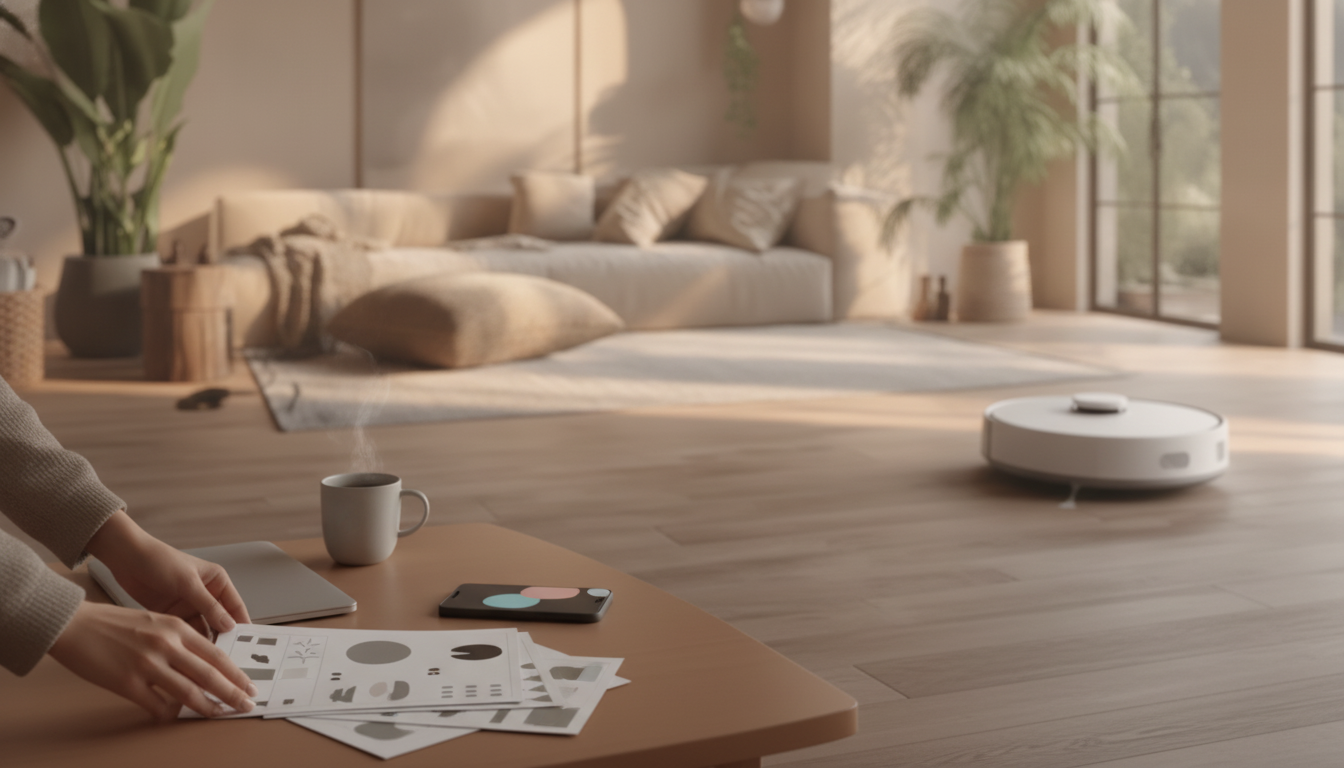
What “tidy” means when life is full
A home can feel under control without looking magazine-perfect. The easiest standard to maintain is “tidy enough,” meaning: surfaces mostly clear, floors walkable, dishes contained (sink or dishwasher—not scattered), laundry gathered into one place, and trash removed before it overflows.
It also helps to separate tidying from cleaning. Tidying is returning items to their homes; cleaning is scrubbing, disinfecting, and detailing. When these get lumped together, the task feels endless and the brain resists starting. If the baseline can be restored in 10–20 minutes—even on a rough day—you’ll return to it more often.
To prevent pileups, set up one visible “landing zone” per category: a key tray, a mail sorter, a bag hook, a bin for kids’ items. The goal isn’t hiding everything; it’s giving everyday items a predictable home.
The no-overwhelm loop: Reset, restore, then maintain
This system is built on a simple loop that keeps your home from drifting into chaos:
1) Reset (contain first, decide later)
Start with a quick reset by grabbing a basket or bin and collecting the obvious out-of-place items from one area. Don’t stop to put things away yet. Containing clutter first creates instant visual calm and reduces decision fatigue.
2) Restore the “high-traffic trio”
Restore the three zones that change the whole feel of your home: the kitchen sink/counter, living area surfaces, and the entryway floor. Even if bedrooms or storage spaces are imperfect, these areas signal “we’re okay.”
3) Maintain with tiny anchors
Attach a 2-minute action to something that already happens: while coffee brews, wipe the bathroom counter; after dinner, load dishes; before bed, do a quick trash check. Small anchors beat big intentions.
4) Close the room
Before leaving any room, return five items to their homes. It’s fast, it prevents “drift,” and it trains your brain to notice clutter earlier.
Daily micro-routines that take less than 15 minutes total
Consistency comes from keeping daily routines small enough that you’ll do them even when you’re tired. A timer makes it easier to stop cleanly—ending on time prevents burnout.
Morning (3–5 minutes)
- Make the bed (or just smooth blankets for a quick win).
- Clear the bathroom counter back to “ready-to-use.”
- Start or empty the dishwasher if you have one.
Midday (2–4 minutes)
- Start one load of laundry or switch it over.
- Return stray items to their zones (shoes to rack, mail to sorter, toys to bin).
Evening (5–7 minutes)
- Do a “kitchen close”: sink cleared, counters wiped, dishes contained.
- Five-minute sweep of the busiest floor area.
- Trash/recycling check (quick remove if it’s near full).
| Time window | Focus | Example tasks | Result |
|---|---|---|---|
| 2 minutes | Contain clutter | Mail into sorter, shoes to rack, toys into bin | Rooms look calmer fast |
| 5 minutes | Reset surfaces | Clear table/counter, wipe one hotspot | Prevents sticky buildup |
| 10 minutes | Restore function | Dishwasher load, sink reset, quick sweep | Kitchen stays usable |
| 15 minutes | Whole-home touch | Laundry switch + tidy one room + trash | Stops the “weekend avalanche” |
A realistic weekly rhythm (so the home never “falls behind”)
Keep supplies where you use them. A set of wipes under each bathroom sink and a handheld vacuum that’s easy to grab remove the “setup barrier” that often stops tasks from happening. When you do clean, follow evidence-based guidance on what requires disinfecting versus general cleaning (CDC overview here).
Trouble spots and simple fixes that actually stick
Entryway clutter
Kitchen pileups
Laundry mountains
Paper chaos
Use a simple 3-slot sorter labeled Action, File, Recycle. Then schedule a 10-minute weekly paper review so paperwork doesn’t become a background stressor. Chronic clutter can feed stress, and small routines can support steadier days (see Mayo Clinic’s stress basics: link).
Kid/pet mess
Using a printable plan to reduce decision fatigue
Printable guide pick: a ready-to-use routine for busy people
If you want a structured system you can follow without overthinking, the Keep Your Home Tidy Without Stress printable guide (digital download) is designed for quick check-ins, clear steps, and realistic resets on low-energy days. It’s especially useful for households juggling work hours, caregiving, school schedules, or shared spaces where clutter multiplies fast.
If you have pets: prevent mess build-up with smart containment
For litter tracking and odor, keep the area easy to maintain and reduce the number of manual steps where possible. Automating a recurring mess task can free up time and attention for your daily reset routines. If litter maintenance is a constant friction point, consider an automatic self-cleaning litter box with safety features for multi-cat households to reduce daily scooping and help keep the surrounding area more manageable.
Stress can compound when your environment feels out of control; small containment systems can lower the load and make routines feel doable (APA overview of stress effects: link).
FAQ
How can a home stay tidy when there’s no time to clean?
Focus on tidying (putting items back) instead of cleaning (scrubbing). A 10-minute daily reset using zones and a catch-all basket keeps surfaces clearer even when deeper cleaning has to wait.
What’s the fastest daily routine that makes the biggest difference?
Reset the “high-traffic trio”: 4 minutes on the kitchen sink/counter, 3 minutes on living room surfaces, and 2 minutes clearing the entryway floor. Add a 5-minute “kitchen close” at night to keep mornings from starting behind.
How do printable routines help with overwhelm?
They reduce decision fatigue by telling you what to do next and by defining a minimum baseline for hard days. When the plan is visible (fridge, cabinet door, clipboard), it’s easier to follow through without negotiating with yourself.
Recommended for you



Build a Freelance Style Guide Fast With AI (Weekend)
Jul 27, 2026













Leave a comment