-
Shop
- Advanced Technologies
- AI Skills
- AI Skills for Creators & Freelancers
- AI Client Management
- AI Ethics
- AI Mindset
- AI Tools & Prompts
- AI Writing & Content Creation
- Audio, Voice & Music
- Design & Visual Creation
- Email, Messaging & Communication
- Freelancing & Business
- Marketing, Ads & Conversion
- Productivity, Workflow & Automation
- SEO & Search Optimization
- Social Media Content & Growth
- Strategy, Planning & Analytics
- Video Creation & Editing
- Apple Accessories
- Bathroom
- Beauty
- Best-Sellers
- Car Accessories
- Car Buying & Ownership
- Confidence
- Dating & Social Skills
- Digital Resources
- Education & Learning
- Family & Parenting
- Fashion
- Alexander McQueen
- Bags
- Balenciaga
- Blazers
- Bottega Veneta
- Brunello Cucinelli
- Burberry
- Chanel
- Chloé
- Dior
- Dolce & Gabbana
- Dresses
- Etro
- Fendi
- Gucci
- Jacquemus
- Jil Sander
- Kiton
- Luggage
- Miu Miu
- Off-White
- Outerwear
- Prada
- Rick Owens
- Saint Laurent
- Shoes
- The Row
- Tom Ford
- Valentino
- Valentino Garavani
- Versace
- Vivienne Westwood
- Fashion Accessories
- Furniture
- Gadgets
- Health & Beauty
- Health & Wellness
- Home Decor
- Home Electronics
- Home Styling & Organization
- Home Supplies
- Kids & Babies
- Kitchen
- Legend Footwear Brands Collection
- Lighting
- Luxury Brands Collection
- Online Business for Beginners
- Parenting & Child Development
- Patio, Lawn & Garden
- Personal Growth
- Personal Style & Fashion
- Pet Care
- Pet Lifestyle & Wellness
- Pet Supplies
- Pets
- Smart Amazon Shopping
- Smart Home Living Guides
- Super Deals
- Travel
- Travel & Adventure
- Wealth
- Wellness
- Popular
- Best deals
A Smarter System for Organizing Bulk Storage
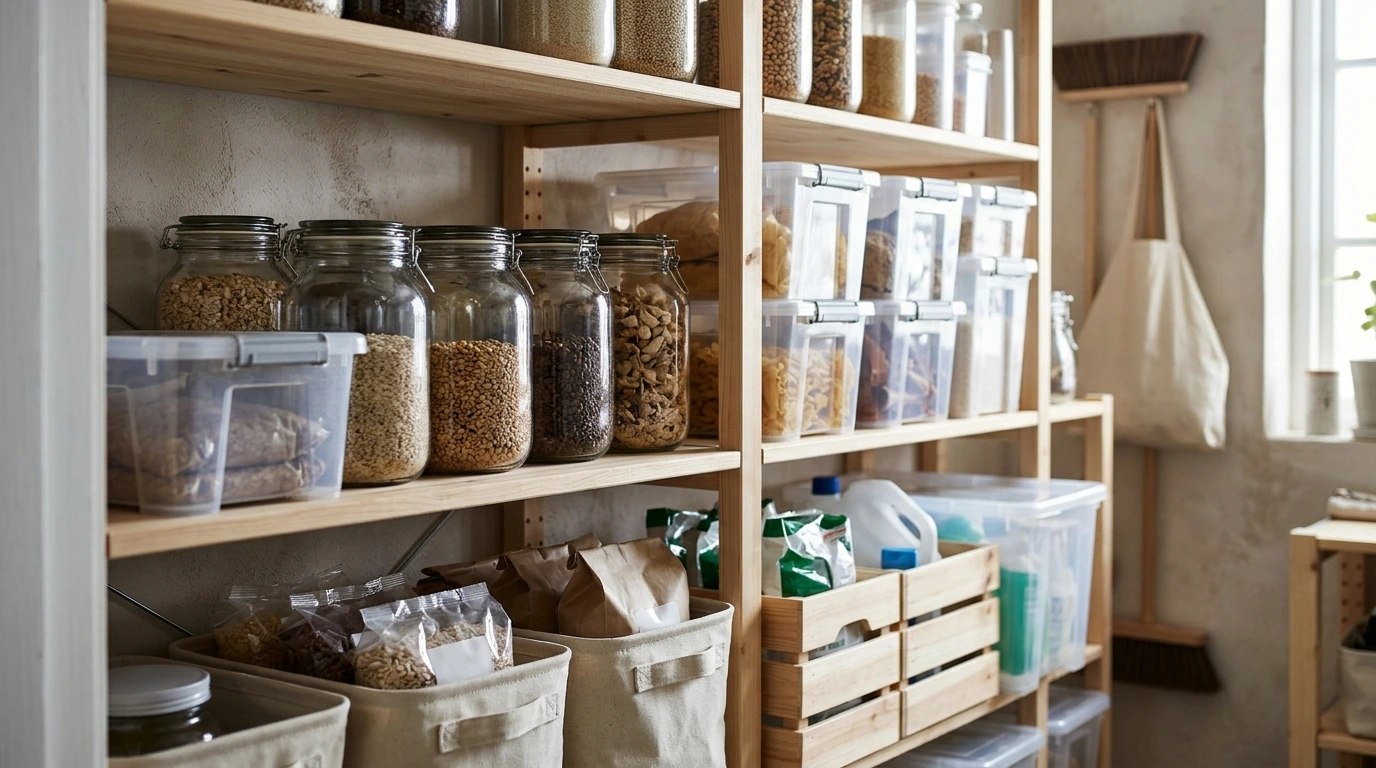
How do you organize a storage area for bulk items?
A well-organized bulk storage area makes it easier to find supplies, track what you have, and restock before you run out. Start with the items you store and how often you use them, then choose a layout and containers that fit your space and routine.
What should you measure before setting up storage?
Measure the floor area, ceiling height, doorways, and access routes. Note any obstacles, such as pipes or outlets, and leave room to move items safely. Before buying shelving or bins, compare their dimensions with your available space and the size of the packages you plan to store.
Which items should you store together?
Group supplies by type, purpose, or where they are used. Keep related items together, but separate products that could leak, spill, or contaminate one another. Create clear zones for different categories so you can put items away consistently and find them without searching through unrelated stock.
What storage works best for bulk supplies?
Use sturdy shelving for cartons and containers, and choose bins with lids for loose or dust-sensitive goods. Transparent bins help you see contents at a glance; opaque containers can help protect light-sensitive items. Match each shelf and container to the weight and dimensions of what it will hold, and follow its stated load capacity.
How can you make stock easier to use?
Place frequently used supplies where you can reach them comfortably, and keep heavier items on lower shelves. Label shelves and containers with the item name and, when useful, the quantity or expiration date. Arrange dated goods so older stock is easiest to reach, then put new deliveries behind it.
How do you keep the area safe and orderly?
Keep walkways, exits, and access to equipment clear. Secure tall shelving as appropriate, avoid stacking packages where they could fall, and keep goods away from damp floors or known sources of heat. Set a brief routine to tidy the area, check labels, and remove empty packaging.
For more ideas on planning storage for larger quantities, visit our guide to organizing a storage area for bulk items.
FAQ
How can you keep bulk supplies easy to inventory?
Label each storage location and record quantities when items are added or removed. A simple stock sheet or digital list can help you spot low supplies and avoid ordering duplicates.













Leave a comment