-
Shop
- Advanced Technologies
- AI Skills
- AI Skills for Creators & Freelancers
- AI Client Management
- AI Ethics
- AI Mindset
- AI Tools & Prompts
- AI Writing & Content Creation
- Audio, Voice & Music
- Design & Visual Creation
- Email, Messaging & Communication
- Freelancing & Business
- Marketing, Ads & Conversion
- Productivity, Workflow & Automation
- SEO & Search Optimization
- Social Media Content & Growth
- Strategy, Planning & Analytics
- Video Creation & Editing
- Apple Accessories
- Bathroom
- Beauty
- Best-Sellers
- Car Accessories
- Car Buying & Ownership
- Confidence
- Dating & Social Skills
- Digital Resources
- Education & Learning
- Family & Parenting
- Fashion
- Alexander McQueen
- Bags
- Balenciaga
- Blazers
- Bottega Veneta
- Brunello Cucinelli
- Burberry
- Chanel
- Chloé
- Dior
- Dolce & Gabbana
- Dresses
- Etro
- Fendi
- Gucci
- Jacquemus
- Jil Sander
- Kiton
- Luggage
- Miu Miu
- Off-White
- Outerwear
- Prada
- Rick Owens
- Saint Laurent
- Shoes
- The Row
- Tom Ford
- Valentino
- Valentino Garavani
- Versace
- Vivienne Westwood
- Fashion Accessories
- Furniture
- Gadgets
- Health & Beauty
- Health & Wellness
- Home Decor
- Home Electronics
- Home Styling & Organization
- Home Supplies
- Kids & Babies
- Kitchen
- Legend Footwear Brands Collection
- Lighting
- Luxury Brands Collection
- Online Business for Beginners
- Parenting & Child Development
- Patio, Lawn & Garden
- Personal Growth
- Personal Style & Fashion
- Pet Care
- Pet Lifestyle & Wellness
- Pet Supplies
- Pets
- Smart Amazon Shopping
- Smart Home Living Guides
- Super Deals
- Travel
- Travel & Adventure
- Wealth
- Wellness
- Popular
- Best deals
Authenticate a Versace Jacket: Labels, Stitching, Hardware
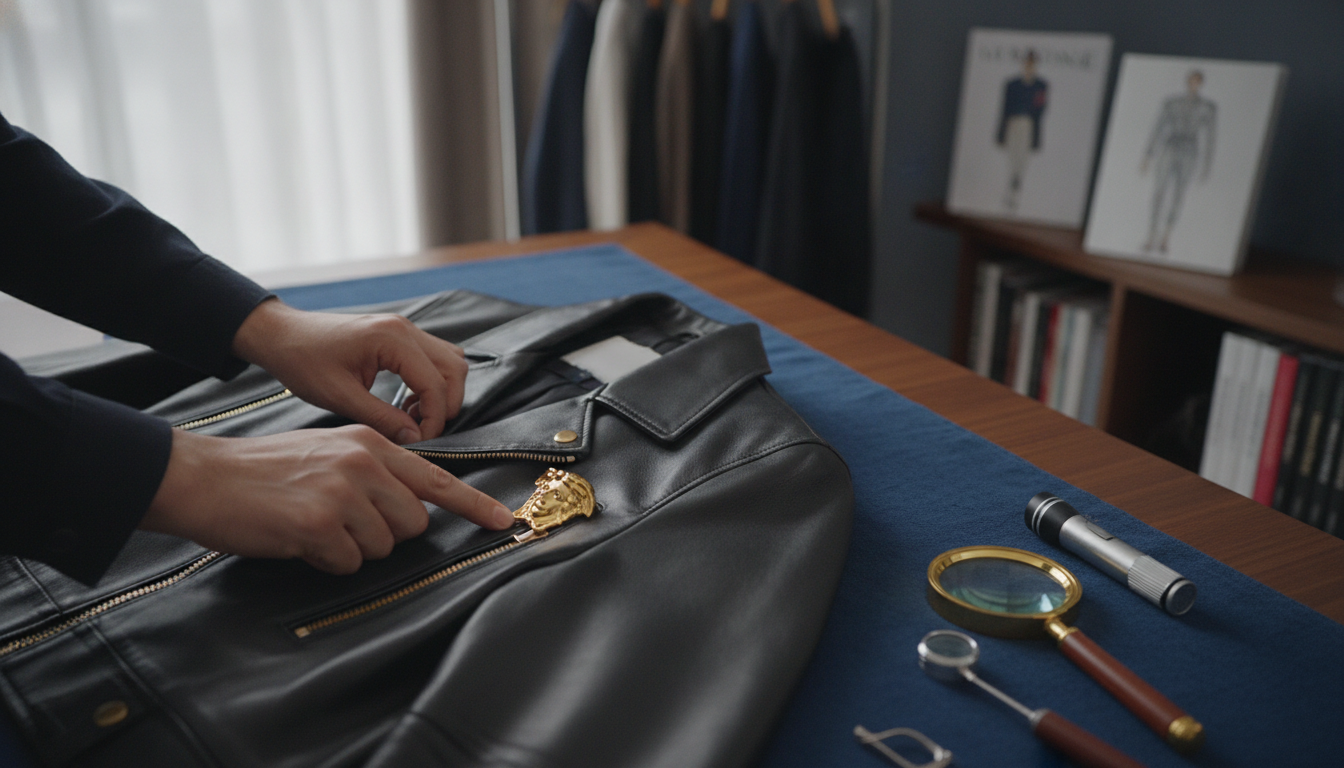
How do you authenticate a Versace jacket?
Authenticating a Versace jacket means confirming it matches the brand’s construction standards, labeling conventions, and hardware quality—then cross-checking those details against reliable references. Start by examining the jacket in bright, natural light and compare what you see to known authentic examples from the same era and style family.
1) Check the labels and interior tags
Look for clean, centered stitching around the main neck label and any inner composition/care labels. Printing should be crisp, spacing consistent, and the material should feel durable—not papery or easily frayed. Any misspellings, uneven fonts, or sloppy stitching around tags are red flags.
2) Inspect craftsmanship and materials
Versace jackets typically show strong pattern alignment (where applicable), tidy seam finishes, and consistent stitch length. Fabric and lining should feel substantial and sit smoothly without rippling. If the jacket looks “off” in drape, sheen, or weight compared to what the style suggests, treat it cautiously.
3) Evaluate hardware: zippers, buttons, and snaps
Authentic hardware generally feels heavy and operates smoothly. Engravings, logos, and decorative Medusa elements (if present) should be sharp and symmetrical, not shallow or blurry. Paint or plating should look even, without quick chipping or discoloration.
4) Verify sizing, model details, and provenance
Compare size tags and measurements to the jacket’s actual fit; inconsistencies can signal a counterfeit. Review seller history, receipts, dust bags, and any original packaging, but remember: packaging can be faked, so it should support—not replace—physical inspection.
For a deeper checklist with brand-specific examples, visit https://journalle.com/how-do-you-authenticate-a-versace-jacket/.
For Authenticate a Versace Jacket: Labels, Stitching, Hardware, the best answer depends on fit, material, care instructions, and how the product will be used day to day.
FAQ
What are common signs of a fake Versace clothing item?
Common signs include sloppy tag stitching, inconsistent fonts, lightweight or rough-feeling fabric, and low-quality hardware with blurry engravings. Another frequent issue is poor overall finishing, such as uneven seams or misaligned patterns.














Leave a comment