-
Shop
- Advanced Technologies
- AI Skills
- AI Skills for Creators & Freelancers
- AI Client Management
- AI Ethics
- AI Mindset
- AI Tools & Prompts
- AI Writing & Content Creation
- Audio, Voice & Music
- Design & Visual Creation
- Email, Messaging & Communication
- Freelancing & Business
- Marketing, Ads & Conversion
- Productivity, Workflow & Automation
- SEO & Search Optimization
- Social Media Content & Growth
- Strategy, Planning & Analytics
- Video Creation & Editing
- Apple Accessories
- Bathroom
- Beauty
- Best-Sellers
- Car Accessories
- Car Buying & Ownership
- Confidence
- Dating & Social Skills
- Digital Resources
- Education & Learning
- Family & Parenting
- Fashion
- Alexander McQueen
- Bags
- Balenciaga
- Blazers
- Bottega Veneta
- Brunello Cucinelli
- Burberry
- Chanel
- Chloé
- Dior
- Dolce & Gabbana
- Dresses
- Etro
- Fendi
- Gucci
- Jacquemus
- Jil Sander
- Kiton
- Luggage
- Miu Miu
- Off-White
- Outerwear
- Prada
- Rick Owens
- Saint Laurent
- Shoes
- The Row
- Tom Ford
- Valentino
- Valentino Garavani
- Versace
- Vivienne Westwood
- Fashion Accessories
- Furniture
- Gadgets
- Health & Beauty
- Health & Wellness
- Home Decor
- Home Electronics
- Home Styling & Organization
- Home Supplies
- Kids & Babies
- Kitchen
- Legend Footwear Brands Collection
- Lighting
- Luxury Brands Collection
- Online Business for Beginners
- Parenting & Child Development
- Patio, Lawn & Garden
- Personal Growth
- Personal Style & Fashion
- Pet Care
- Pet Lifestyle & Wellness
- Pet Supplies
- Pets
- Smart Amazon Shopping
- Smart Home Living Guides
- Super Deals
- Travel
- Travel & Adventure
- Wealth
- Wellness
- Popular
- Best deals
Baby Budget Checklist + 5-Minute Monthly Planner
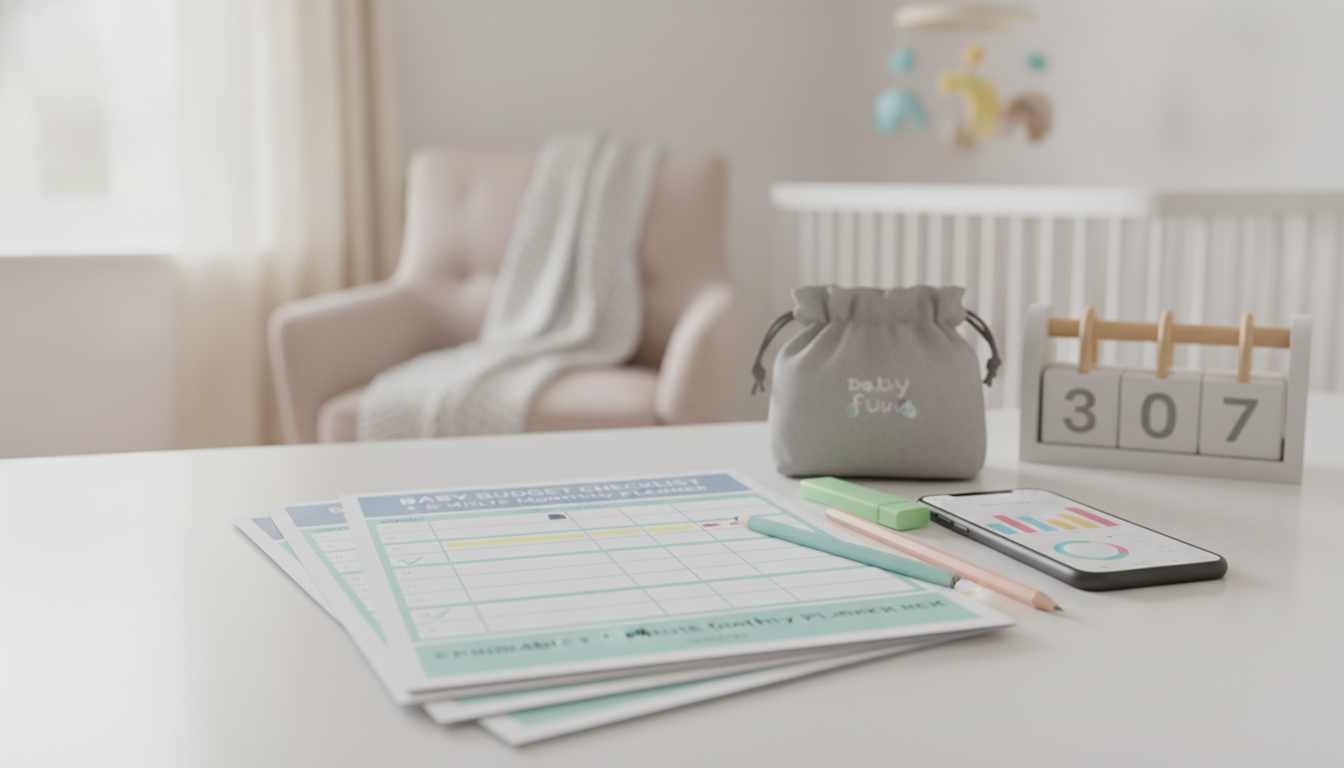
Baby on a Budget Made Easy: A Printable Checklist and Simple Planner System for New Parents
New baby costs add up quickly—often in small, easy-to-miss purchases. A clear checklist and a lightweight budget planner make it easier to prioritize essentials, set spending limits, and track recurring expenses without turning budgeting into a full-time job. The goal isn’t to buy the “perfect” version of everything; it’s to cover safety, comfort, and daily basics while leaving room for the real-life surprises that happen in the first months.
If you want a ready-to-use system you can print or keep on a tablet, the Baby on a Budget Made Easy Checklist and Printable Budget Planner keeps your must-haves, monthly totals, and quick check-ins in one place.
Start With the “Must-Have” Baseline (Not the Perfect Nursery)
Budget-friendly baby planning starts with separating needs from nice-to-haves. For the first weeks, focus on six true essentials: feeding, diapering, sleep, health/safety, clothing, and transport. Everything else can wait until you know what your baby (and your routine) actually prefers.
- Build a minimum viable setup for the first 2–4 weeks. Buying ahead sounds efficient, but it can backfire when your baby rejects a bottle shape, a diaper brand, or a swaddle style.
- Use a one-in/one-out upgrade rule. If you want to try a “better” version, replace only when the current item clearly isn’t working.
- Add a buffer for surprises. Plan 5–10% of monthly baby spending for rush shipping, growth spurts, or extra healthcare co-pays.
Essentials-First Baby Budget Checklist
| Category | Examples to Price Out | Frequency | Cost-Saving Options |
|---|---|---|---|
| Diapering | Diapers, wipes, rash cream, diaper pail bags | Monthly | Subscribe-and-save, bulk during sales, store brands |
| Feeding | Formula or pumping supplies, bottles, nursing pads, burp cloths | Weekly/Monthly | Request samples, buy fewer bottle types until baby prefers one |
| Sleep | Safe sleep space, fitted sheets, swaddles/sleep sacks | One-time + replacements | Secondhand furniture (verify safety standards), rotate 2–3 swaddles |
| Clothing | Onesies, sleepers, socks, seasonal layers | Monthly (early months) | Buy used bundles, accept hand-me-downs, skip “special occasion” extras |
| Health & safety | Thermometer, nail care, basic first-aid, babyproofing basics | Mostly one-time | Keep it minimal; avoid duplicate gadgets |
| Transport | Car seat, stroller/carrier | One-time | Look for open-box deals; prioritize safety and compatibility |
| Care/childcare | Daycare deposits, babysitting, backup care | Monthly | Build a backup list; explore dependent care accounts if available |
For feeding guidance that supports smart (not wasteful) planning, the CDC’s infant resources are a helpful reference: CDC — Infant and Toddler Nutrition.
Set a Monthly Baby Number in 20 Minutes
A “monthly baby number” is simply a realistic cap for recurring baby-related spending, plus a small cushion. Setting it once removes hundreds of tiny decisions later.
- List recurring costs first: diapers/wipes, feeding, childcare, healthcare co-pays, laundry, and regular replenishments.
- Add irregular-but-expected items: growth spurts (clothes), seasonal gear, replacement parts, medications, and occasional convenience spending (extra delivery fees during rough weeks).
- Pick a tracking rhythm that matches real life: weekly check-ins for the first 8–12 weeks, then shift to twice monthly once patterns stabilize.
- Create category caps: small “just in case” orders can quietly crowd out essentials if there’s no guardrail.
If you want a quick refresher on simple, sustainable budgeting methods, the Consumer Financial Protection Bureau has practical tools: CFPB — Budgeting resources.
Build a Baby Budget That Adapts as Your Routine Changes
The first year moves in phases, and your spending will shift with it. Planning for change is what keeps a budget from feeling “wrong” every month.
Practical Ways to Save Without Sacrificing Safety
For safety updates and alerts, it’s worth knowing where to check official recall info: U.S. Food & Drug Administration — Recalls, Market Withdrawals, & Safety Alerts.
A Simple Tracking Routine That Takes Under 5 Minutes
Printable Checklist + Budget Planner: Keep Everything in One Place
The Baby on a Budget Made Easy Checklist and Printable Budget Planner works as a digital download you can print, annotate on a tablet, or store in a shared folder so both caregivers can see the same plan.
If you’re juggling a side hustle or freelance work during leave, a separate “business spending” resource can help keep personal and baby costs from blurring together. The AI-Powered Brand Magic: Craft Your Freelance Style Guide Fast is a handy digital guide for organizing brand basics quickly, so your time stays focused where it matters.
What to Track Each Week
| Weekly check-in item | What to look for | Action if off track |
|---|---|---|
| Diaper + wipe burn rate | How many days supplies lasted | Adjust subscription quantity or switch size/brand |
| Feeding costs | Formula/pumping supplies vs. plan | Test one cost saver (bulk buy, fewer bottle styles) |
| Unexpected spending | Impulse buys or last-minute orders | Add to wishlist; wait 72 hours before purchasing |
| Upcoming needs | Next size up, seasonal gear, childcare fees | Move it into next month’s plan and set a cap |
FAQ
How much should be budgeted each month for a new baby?
Monthly costs vary most by feeding method, childcare, insurance, and location. Start by totaling diapers/wipes, feeding, healthcare co-pays, and childcare, then add a small buffer; refine the number after 4 weeks of real spending data.
What are the biggest hidden baby expenses to plan for?
Common surprises include childcare deposits/fees, healthcare costs (co-pays and prescriptions), replacement parts (bottle nipples and pump parts), delivery fees for last-minute purchases, and rapid clothing size changes.
Is it worth using a printable planner instead of an app?
A printable can be faster, less distracting, and easier to share at home, especially for simple category caps and quick weekly check-ins. Apps can automate totals, so the best choice is the one that will be used consistently.
Recommended for you


Good Treasure Hunt Clues: Riddles, Codes & Tips
Jul 29, 2026













Leave a comment