Instant Electric Water Heater Remote Control Guide
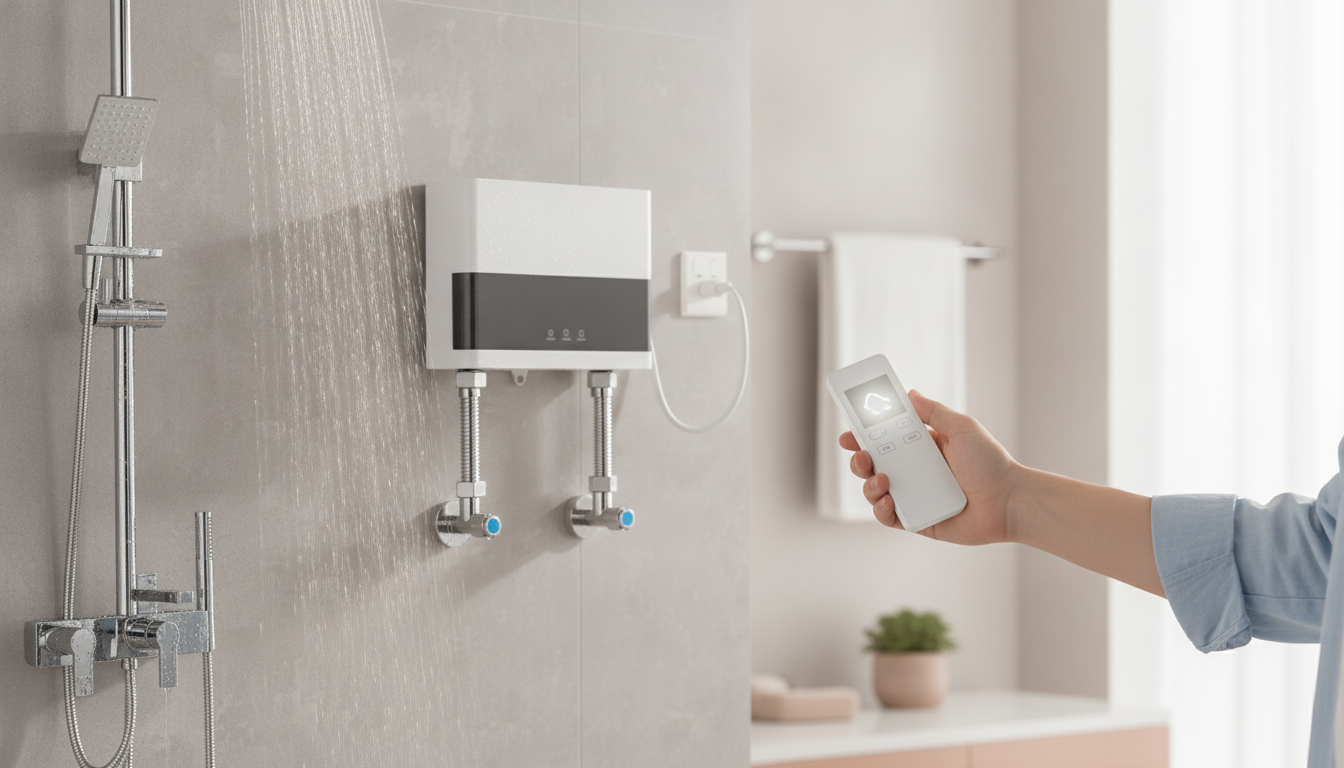
Instant Electric Water Heater with Remote Control: Comfort on Demand Without the Tank
An instant electric water heater with remote control is built for quick hot-water delivery and easy temperature adjustments from a distance. By heating water only when you turn on the tap, it can help cut down on waiting at the fixture and avoid the standby energy losses associated with storing hot water. Below is a practical breakdown of how this style of heater works, where it shines, what to verify before installation, and how to use it safely for steady, comfortable hot water.
What Makes an Instant Electric Water Heater Different
Unlike traditional tank water heaters, instant (tankless) electric models heat water only when flow is detected. Instead of maintaining a reservoir of hot water, the unit energizes its heating elements as water passes through, aiming to hit your set temperature in real time.
- Heats water only when flow is detected, rather than storing hot water in a tank.
- Often used to reduce wait time for hot water at specific fixtures or to serve smaller spaces.
- Performance depends on incoming water temperature, flow rate, and electrical capacity.
That last point is the make-or-break detail: if your incoming water is very cold (common in winter), or if the fixture’s flow rate is high, the heater may need significant electrical power to keep up. The U.S. Department of Energy provides a helpful overview of how demand-type water heaters operate and what affects performance: U.S. Department of Energy — Tankless or Demand-Type Water Heaters.
Why Remote Control Changes Everyday Use
Remote control shifts temperature management from “turn the faucet and guess” to “set the target and fine-tune flow.” For busy homes and shared bathrooms, that can make hot water feel more predictable.
- Temperature changes can be made before stepping into the shower or starting a sink task.
- Helpful for households with different comfort preferences (kids, seniors, guests).
- Reduces trial-and-error at the faucet by setting a target temperature ahead of time.
- Can be convenient for installs where the heater is out of reach (utility area, under-sink cabinet).
Remote control is also useful when the heater is mounted where it’s harder to access—behind stored items, below a vanity, or in a service area—while still letting you adjust temperature without moving cabinets or opening access panels.
Where This Type of Heater Fits Best
Instant electric units are commonly used as point-of-use heaters—installed close to where hot water is needed—so you get faster delivery and less heat loss through long pipe runs.
- Point-of-use: bathrooms, kitchen sinks, laundry rooms, workshops, and remote additions.
- Apartments, condos, RV/guest spaces, or any area where a full tank heater is impractical.
- Situations where long pipe runs make hot water slow to arrive at the tap.
- Not always ideal for multiple simultaneous high-flow uses unless sized and wired accordingly.
If your household often runs a shower, dishwasher, and laundry at the same time, a single small point-of-use unit may not cover every demand. In those cases, either size up and confirm your electrical capacity, or use multiple point-of-use heaters serving individual fixtures.
Key Specs to Confirm Before Buying
Instant electric performance is straightforward when the unit is properly matched to your home’s electrical service, the fixture flow rate, and typical inlet-water temperature.
Quick checklist for selecting the right setup
| What to check | Why it matters | What to measure/verify |
|---|---|---|
| Electrical service | Prevents nuisance tripping and overheating risks | Panel capacity, breaker size, wire gauge, dedicated circuit |
| Incoming water temperature | Colder inlet water needs more power to reach the same output temp | Seasonal inlet temp estimate (winter vs summer) |
| Flow rate at fixture | Higher flow needs more heating capacity | GPM from faucet/showerhead rating or a timed bucket test |
| Mounting location | Affects accessibility and remote usability | Distance to fixture, ventilation/clearance, splash exposure |
| Water pressure and plumbing | Helps ensure stable operation and fewer fluctuations | Pressure range, shutoff valves, filter/strainer needs |
Installation Notes and Safety Considerations
For temperature safety guidance, see: U.S. Consumer Product Safety Commission — Scald Burn Prevention. For electrical code context, the NEC is the standard reference in the U.S.: NFPA — National Electrical Code (NEC) Overview.
Daily Use: Getting Stable Temperature and Flow
Maintenance and Longevity Tips
Product Spotlight: Instant Electric Water Heater with Remote Control
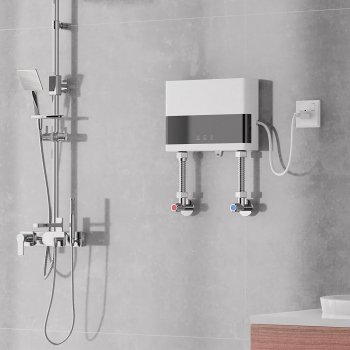
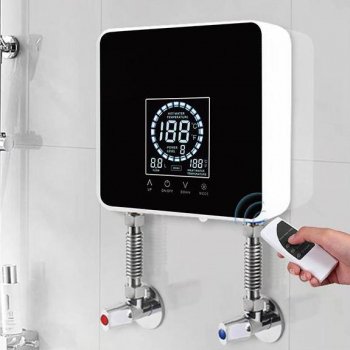
If the goal is quick hot water at a specific fixture with easy temperature changes, the Instant Electric Water Heater with Remote Control is designed for on-demand delivery with the convenience of remote adjustment. It’s a practical pick for bathrooms, kitchens, and utility spaces—especially when the unit is mounted under a sink or in a nearby service area.
More in-stock picks
- Automatic Self-Cleaning Litter Box with Safety Features for Multi-Cat Households
- AI-Powered Brand Magic: Craft Your Freelance Style Guide Fast | Ebook on AI to Create a Freelance Brand Style Guide for Creatives & Solopreneurs
FAQ
Can an instant electric water heater run a shower and a sink at the same time?
It depends on the heater’s heating capacity, the incoming water temperature, and the combined flow rate. If the total demand is high, temperature can drop unless the unit is sized and wired to handle simultaneous use.
Why does the water temperature change when the flow changes?
Instant heaters balance available heating power against water flow. When flow increases, the same power is spread over more water (often lowering outlet temperature), while lower flow can allow hotter output.
Is a dedicated circuit required for an instant electric water heater?
Many models do require a dedicated circuit because they draw substantial current while heating. Always verify the manufacturer’s electrical specifications and follow local electrical code requirements for safe installation.













Leave a comment