Small-Space Organizing: Sort, Zone, and Contain
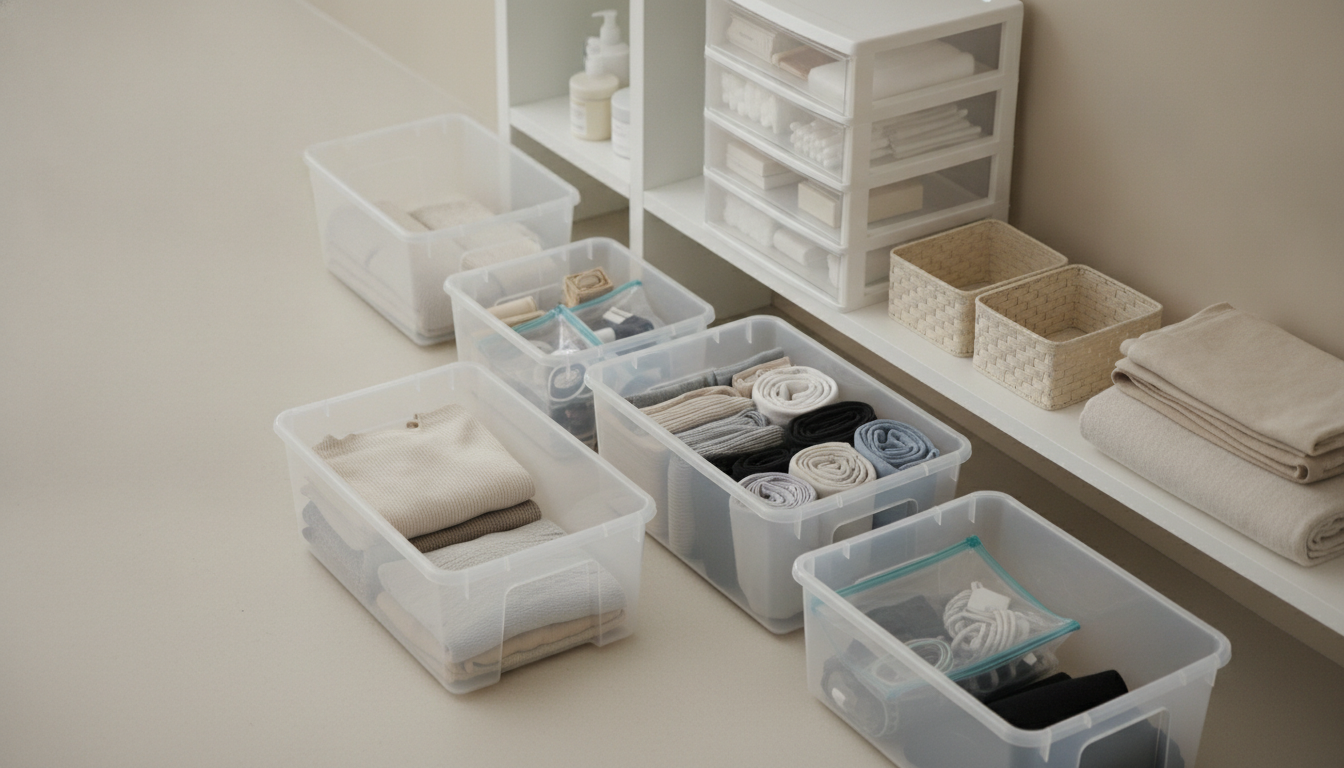
How to organize a lot of stuff in a small space?
Start by shrinking the “inventory,” then give everything a defined home. In a small space, clutter isn’t just too many items—it’s too many items without boundaries. Use a simple three-step system: sort, zone, and contain.
1) Sort fast, not perfectly. Pull everything out by category (clothes, papers, cables, toiletries, pantry items). Create four quick piles: keep, donate/sell, relocate, and trash/recycle. If you haven’t used something in a year and it isn’t truly seasonal or sentimental, it’s a prime candidate to leave.
2) Zone your space by how you live. Assign mini “zones” even inside one room: a daily-drop zone near the door, a work zone, a self-care zone, and a storage zone. The goal is to reduce wandering items. Keep the things you reach for every day at eye level and within arm’s reach; store occasional items higher up or farther back.
3) Contain vertically and invisibly. Small spaces need hidden volume: under-bed bins, slim rolling carts, over-door organizers, and stackable clear containers. Use shelf risers to double cabinet capacity, and add drawer dividers so small items stop migrating. Label containers so you don’t have to re-open every bin to find one thing.
4) Make one “out” rule. To prevent backslide, adopt a one-in, one-out policy for tight categories (shirts, mugs, skincare). Pair it with a 5-minute nightly reset: return items to homes, empty a catch-all tray, and prep tomorrow’s essentials.
For a deeper room-by-room approach and more space-saving ideas, visit this guide on organizing a lot of stuff in a small space.
For Small-Space Organizing: Sort, Zone, and Contain, the best answer depends on fit, material, care instructions, and how the product will be used day to day.
FAQ
What are the best storage solutions for small apartments?
Prioritize vertical storage (wall shelves, over-door organizers) and hidden storage (under-bed bins, ottomans with lids). Choose stackable, labeled containers so you can use height efficiently without creating messy piles.













Leave a comment